Science

First atlas of the whole human brain at the single-cell level: What does it mean for Psychedelic Research?

On October 13, 2023, a team of researchers created the most extensive atlas of the human brain thus far, revealing more than 3,000 cell types, including many new to the scientific world. In the atlas, we can observe snapshots of the most complex organ known to man, the brain.

But what does this atlas mean to psychedelic research?

First atlas of the whole human brain at the single-cell level: What does it mean for Psychedelic Research? Read More »

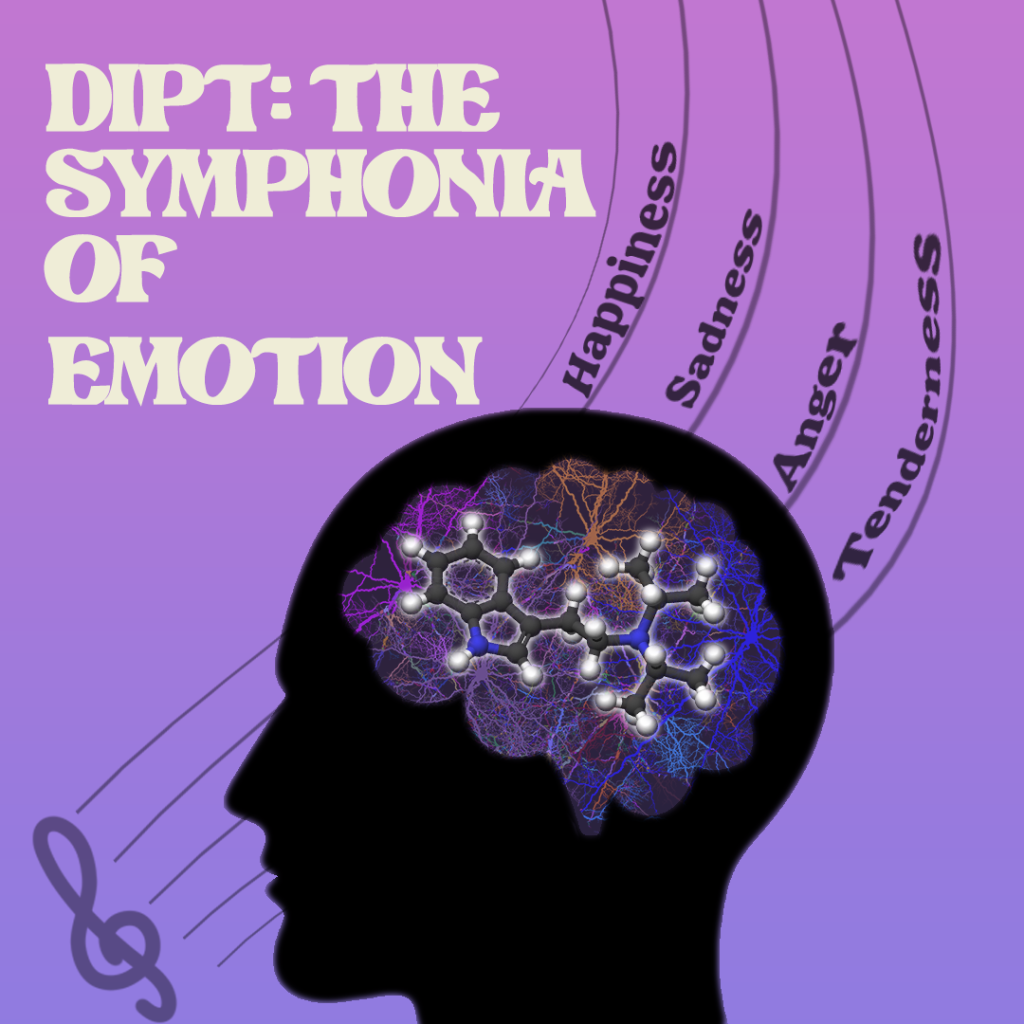
Why is DiPT unique and how can it change your perception of sound?

Have you ever wondered how music influences our mood and our brain? Who invented music? Would modulating our perception of sound change the way we hear our favorite musicians? And most importantly, how can someone change their perception of sound?

Millions of people listen to music daily, utilizing terminology from the classical media, we are in a “music epidemic”. Despite not being fairly noticed, music does modulate our feelings and has an impact on our neural networks, reasoning why you will listen to sad songs when you are feeling melancholic, and happy songs when you are in a state of bliss. All those feelings are caused by a change in our brain chemistry.

Now let us hypothesize that one would be able to change how we perceive sound, would that change how we feel about a certain song? Absolutely! Raising the question how would someone do that? To answer that, we dive into Alexander Shulgin’s magnum opus TiHKAL, to a compound under the name DiPT, a compound known for its auditory hallucinations and distortion of sound.

Why is DiPT unique and how can it change your perception of sound? Read More »

LSD lemurs and millipedes with Daniela Bolanos Garcia

The case of Professor John Buettner-Janusch is the biggest scandal around the University of NY, from synthesizing one kilo of Quaaludes and LSD to supposedly give to lemurs (where he gained his nickname Professor Quaalude) to attempting to poison the federal judge responsible for his case. Janusch claimed he had given LSD and Quaaludes to his primates to study their emotional behavior while under the influence of these compounds. However, in the wild, we have also heard that lemurs get high using hallucinogenic millipedes. To get down to these claims, we had a conversation the Tropical Biology student Daniela Bolanos Garcia to understand why they do it, whether they are consciously getting high, and what makes them high!

LSD lemurs and millipedes with Daniela Bolanos Garcia Read More »

ATOMIC PROBLEMS

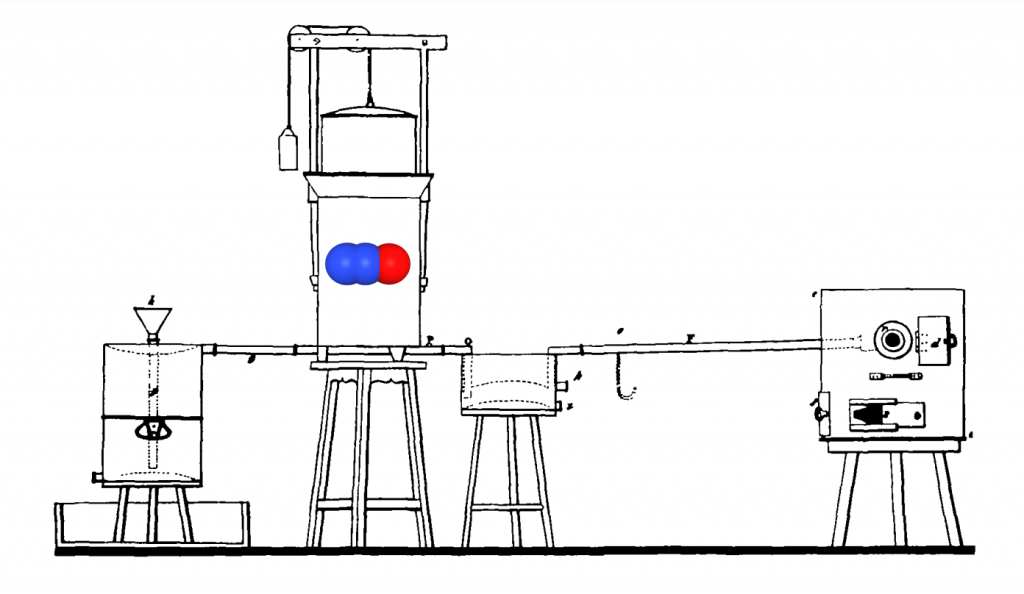
Extremium and Niton aren’t part of our scientific vocabulary today, however, they once were.
In this article, we delve into the creation of new elements, who is the identity responsible for their nomenclature, and Victor Ninov the man who tried to fool the world by faking an element.

ATOMIC PROBLEMS Read More »

Origins of Ethnopharmacology

Aspirin, Digoxin, and Morphine aren’t the first thing that comes to our minds once we hear the word Plant Medicine. Regardless of their seemingly distant origin, all those compounds once had a plant origin. To this, we name ethnopharmacology. Using the word of Juerg Gertsch: “Ethnopharmacology tries to understand the pharmacological basis of culturally important plants.”

Today, ethnopharmacology has an equally important role, as we are using plants that have been used for centuries by natives. Plants such as Peyote, Ayahuasca, Iboga, Kava Kava, and Psilocybe aid us with the current mental illness epidemic. Thus, Indigenous communities are once again furnishing us and aiding us with their ancient knowledge, this being said it would only be unfair not to feature such communities in Psychedelic and Ethnobotanical conferences, giving them their due credit, and teaching us about how much these plants mean to their culture, and most importantly how we should respect and protect indigenous rights.
Origins of Ethnopharmacology Read More »

The new religion of Psilomethoxin

The new internet-breaking tryptamine Psilomethoxin has generated various discussions on threads. Following breadcrumbs left by Alexander Shulgin, the owners of the Psilomethoxin church claimed to have successfully made the compound and report several experiences using it.

However, the discussion continues, from being a 4-hydroxylated orally active form of 5-MeO-DMT to a potential neurotoxin for its similarities to 4,5-dihydroxytryptamine it’s yet incognito whether the compound could have any neurotoxicity.

The new religion of Psilomethoxin Read More »

Shopping Cart