
What Is Ibogaine? Uses, Effects, Risks & Addiction Treatment Explained
By Goncalo V.
What is Ibogaine?
On April 18th, Donald Trump directed the FDA to accelerate research and clinical trials reviews for psychedelics, while making a special mention of a compound that is unknown to the general public, Ibogaine.
Ibogaine is an indole alkaloid extracted from the root bark of the African shrub Tabernanthe Iboga and has been used ceremonially for thousands of years by indigenous groups in Central Africa, such as the Babongo and Mitsogo pygmies, and later by the Fang people of Gabon and Cameroon, for its hallucinogenic and oneirogenic effects.
What makes Ibogaine unique?
Usually, psychedelics are put into certain chemical groups based on their backbone, which could be phenethylamines (2C-B, Mescaline, MDMA, aka ecstasy, etc.), tryptamines (DMT, 5-MeO-DMT, Psilocybin, etc.), and sometimes they can belong to two groups simultaneously, for example, LSD, which contains both a phenethylamine and a tryptamine backbone. (Learn more about the different types of psychedelics and their classes here!)
When we start learning about these compounds and their chemistry, we can somewhat make an educated guess once we learn about their pharmacokinetics and which receptors they typically target when talking about studying the effects of these compounds in the brain (their effects within the mind can be totally different and should be studied differently, and as an isolated subject).
For example, psychedelic tryptamines primarily target the serotonin receptor system, mainly the 5-HT2a receptor, and other secondary and modulatory targets such as other serotonin receptors and bind to 5-HT1A, 5-HT2C, and sometimes 5-HT1B/1D and 5-HT7 receptors, trace amine associated receptors (TAAR1), and can show moderate affinity to sigma receptors, and present certain downstream effects after the activation of the 5-HT2A receptors, triggering downstream metabolic and structural changes in the brain such as an increase in glutamate release, which in turn activates pathways like TrkB and mTOR. Phenethylamines, in addition to targeting the receptors mentioned in psychedelic tryptamines, can also exhibit a broader polypharmacology, also targeting dopamine and adrenergic receptors.
However, when we look at Ibogaine, we can see that it has somewhat of resemblance to a tryptamine backbone but it looks structurally different when compared to something like DMT or MDMA due to its unusual strained azepane ring making it incredibly difficult to synthesize.
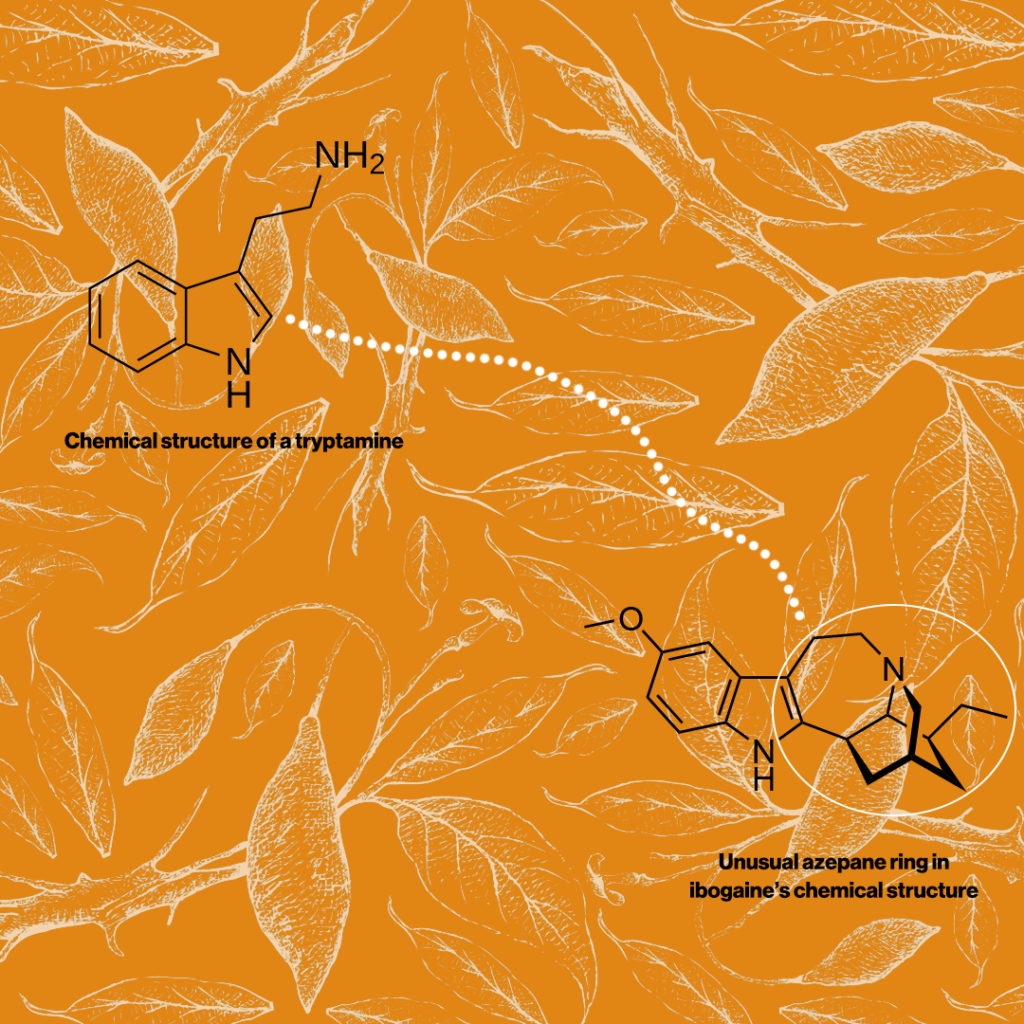
This unique structure allows Ibogaine to interact with various receptors in the brain, including:
- Serotonin transporters and receptors
- Dopaminergic receptors
- Nicotinic receptors
- Gaba receptors
- Muscarinic receptors
Help us continue write articles like these:












The Ibogaine experience:
An ibogaine experience is typically described as an intense, dream-like journey that can last from 24 to 72 hours. The experience can be physically demanding due to the nausea caused by the compound, but mentally revealing, allowing people to observe past traumas and “reset their brain”.
1- Ingestion& Onset phase (0 to 1 hour)
- Profound bodily heaviness sets in
- Intense dizziness begins
- Sensitivity to light and sound develops.
- Intestinal upset leading to nausea and vomiting
2- Peak & Physical phase (1 to 8 hours)
- Closed-eye vivid visuals and movie-like dream states
- Third-person “life-review” of past traumas and events
- Physical discomfort, potential ataxia, body tremors, temperature fluctuations, and purging
3- Introspective phase (8 to 24 hours) – best for the therapeutic value of the compound
- Visual projections fade away.
- You enter a reflective, quiet, intellectual state.
- Your ego remains intact while emotions are temporarily impaired.
- Evaluation of guilt, mistakes, and trauma occurs without fear.
- Sleep disruption can make it impossible to fall asleep.
4- Grey day & Reset (24 to 48 hours)
- Heavily physical fatigue and mental exhaustion from the experience.
- Substance cravings and withdrawal symptoms drop or might even be gone.
- The brain undergoes a profound biological “reset”.
5- Afterglow & Recovery + Integration (48 to +72 hours)
- Physical and mental fatigue finally lifts.
- Increased self-esteem and relief from guilt emerge.
- Lasting mental clarity and a renewed sense of purpose take hold.
Is ibogaine safe?
Just like any psychedelic compound, deciding whether you should take ibogaine or not should be done after several hours of research and potentially doing medical check-ups to see if you are compatible with the compound.
Before deciding if ibogaine is the right compound for you, you must be aware of the following side effects of an ibogaine experience:
- Difficulty sleeping
- Muscle spasms
- Agitation and irritability
- Changes in mood and emotions
- Hallucinations and delusions
- Nausea and vomiting
- Weakness
- Muscle spasms
- Decreased respirations
- Urinary retention
- Abnormal movement
- Aggressive behavior
- Suicidal thoughts
- Rapid, disorganized speech
For this reason, we highly advise that if you are planning on using ibogaine, you select a retreat or clinic that has medical professionals who will do constant tests and see if you are eligible for the treatment and follow-up integration therapy.
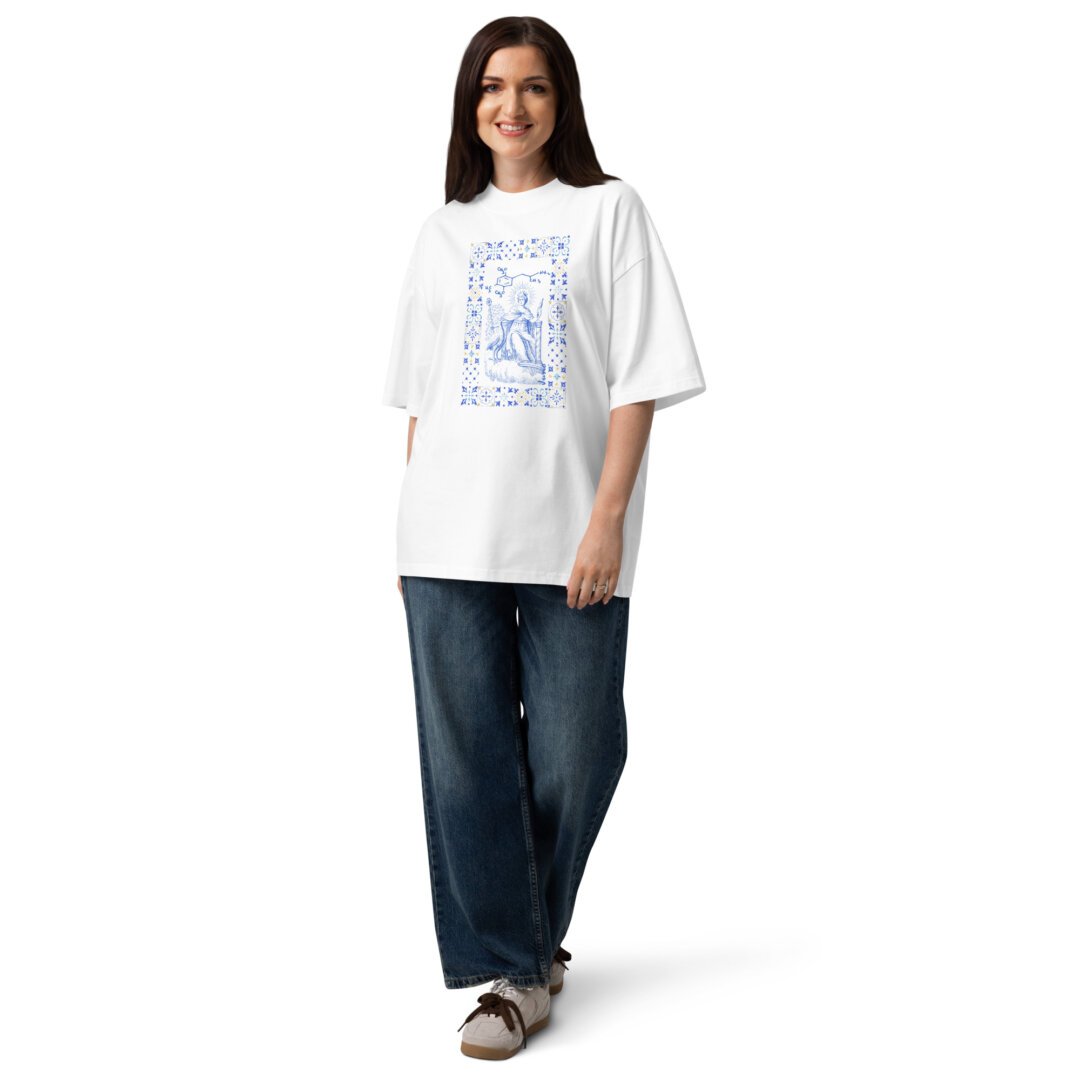
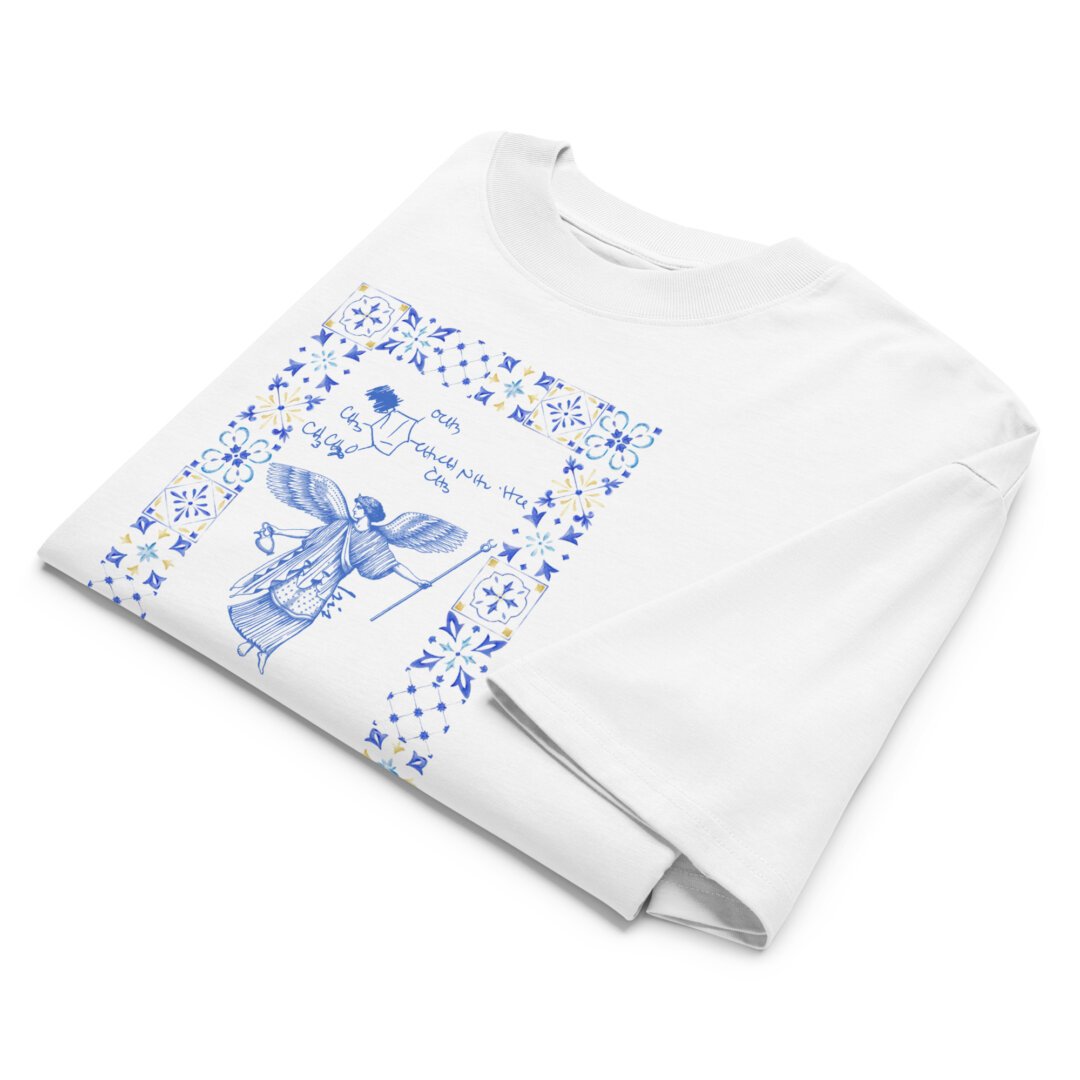
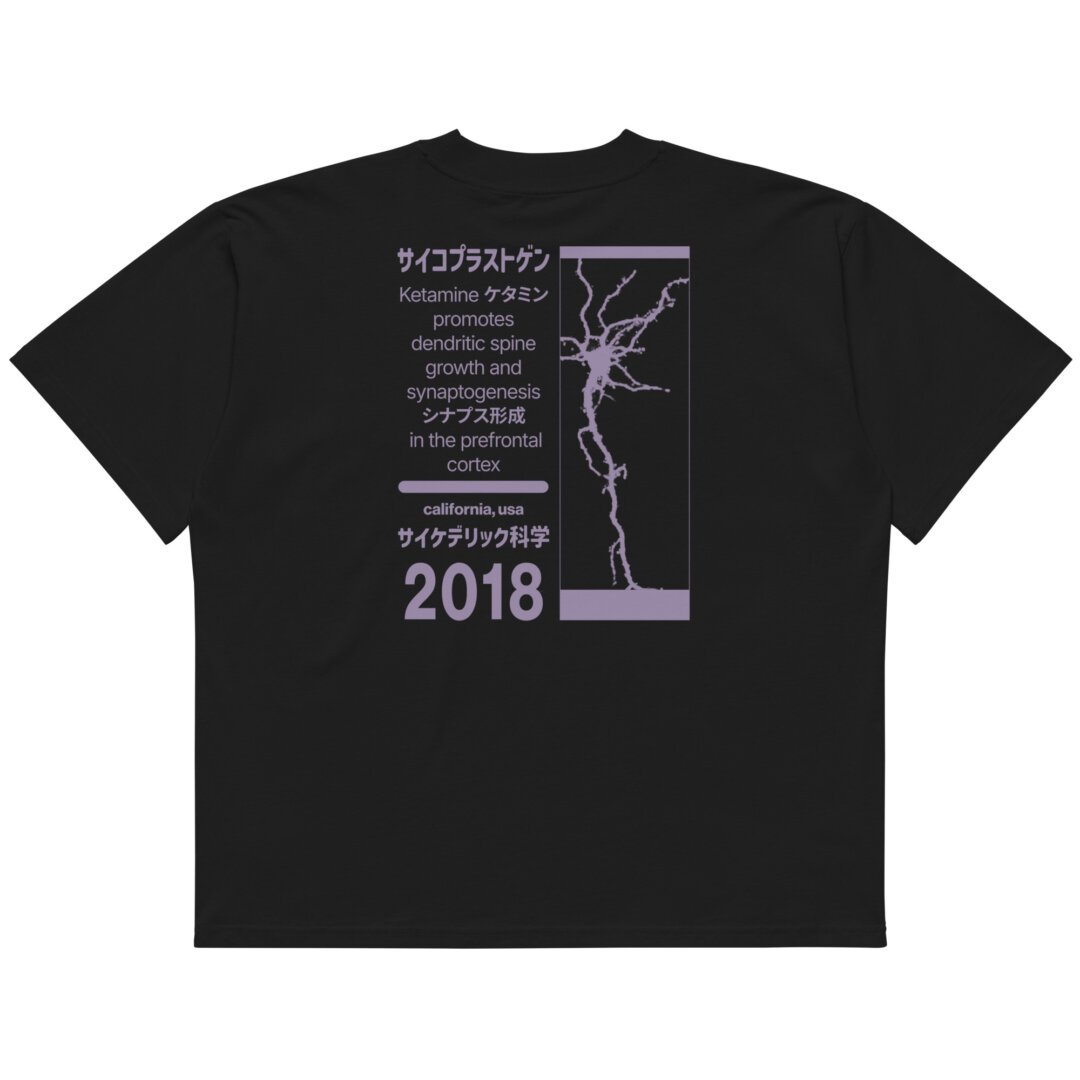
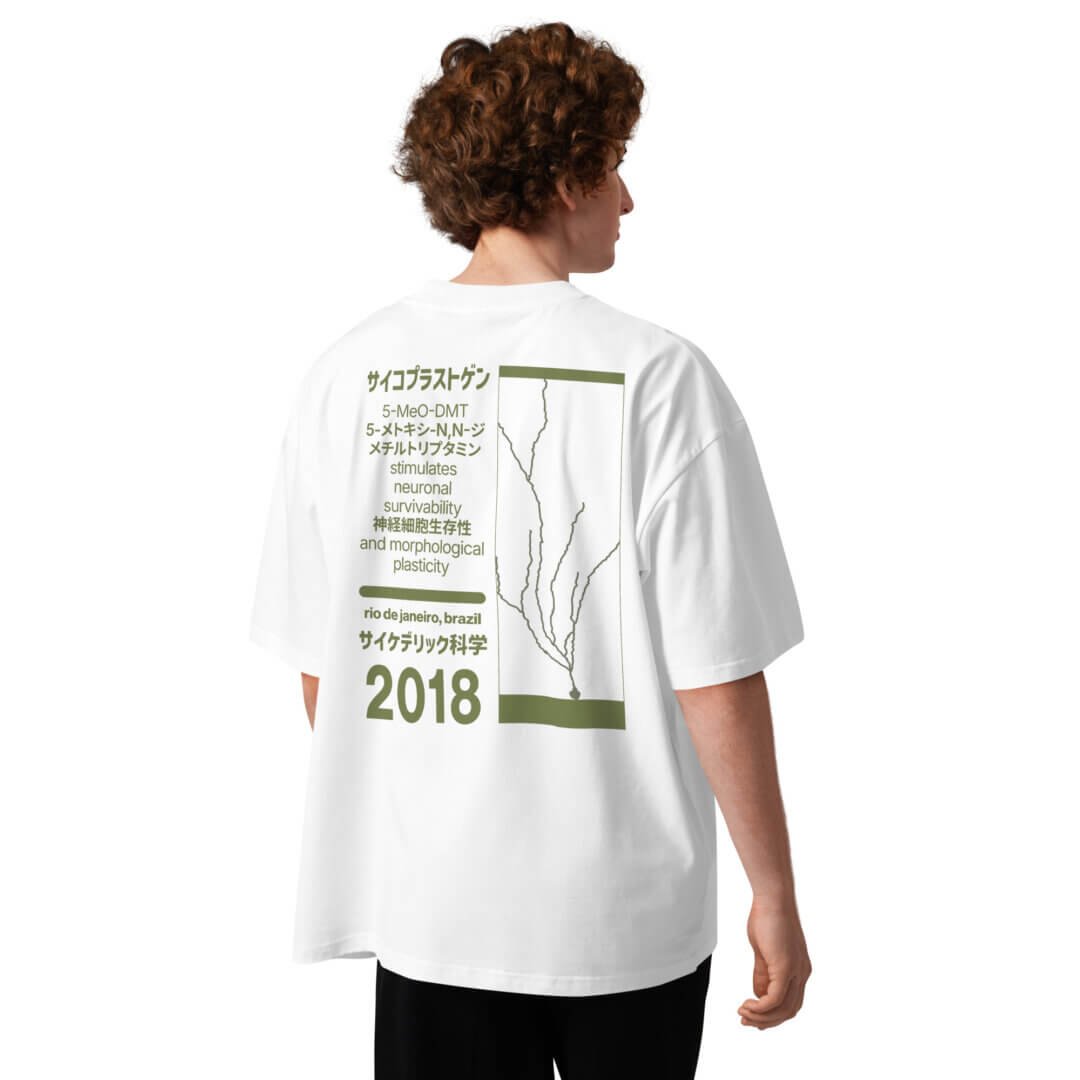
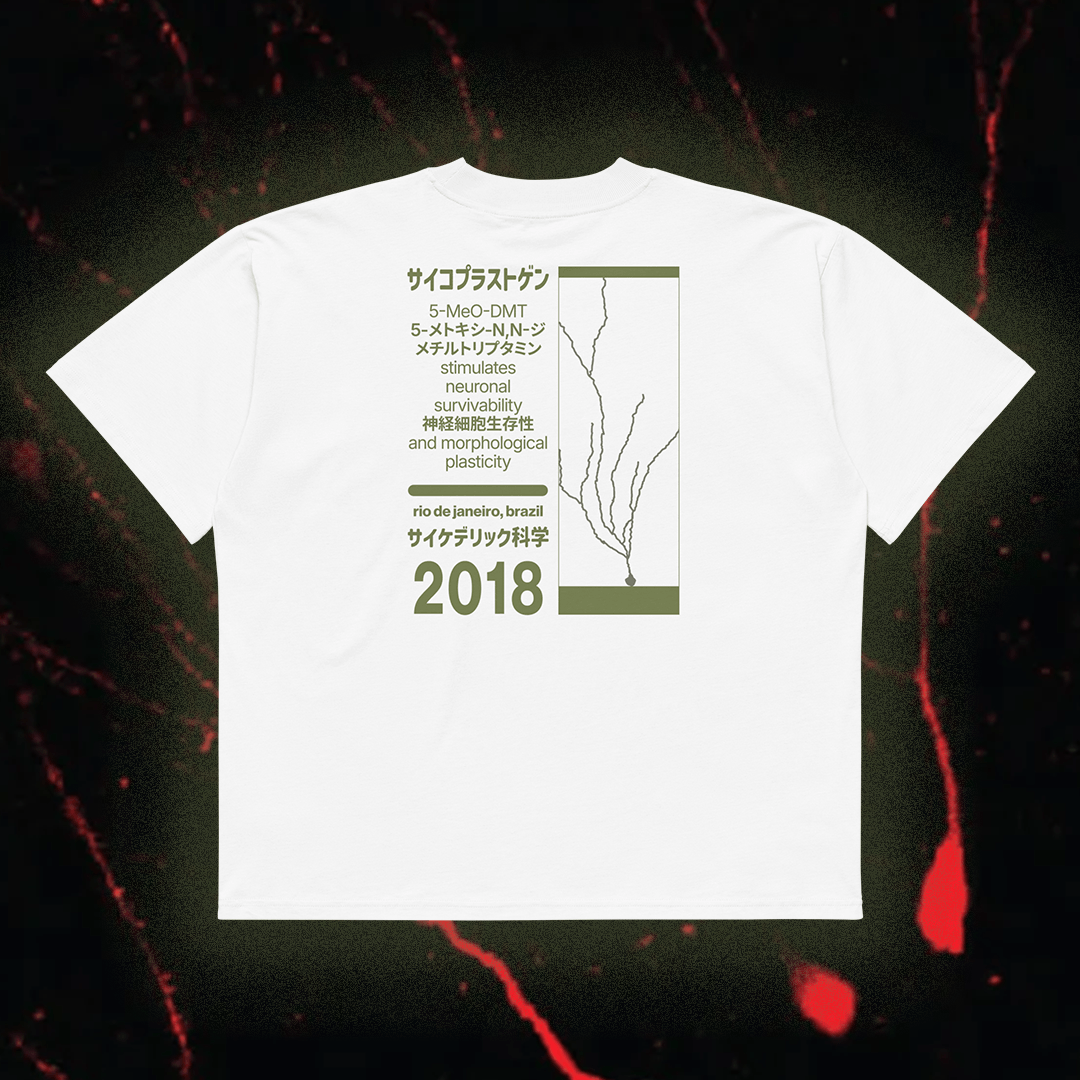
Wear your psychedelic science










Ibogaine for addiction treatment
Modern scientific data on ibogaine as a treatment for addiction goes back to 1962, when a 19-year-old Howard Lotsof (who at the time was addicted to heroin) took a single recreational dose of ibogaine given to him by one of his friends who was a chemist. After the experience, he noticed that his heroin withdrawal symptoms disappeared.
Since this experience, there have been decades of research into the efficacy of ibogaine to help people suffering from addiction to overcome cravings for substances, such as nicotine, opioids, and cocaine. Many, in which Howard Lotsof ended up being connected to, as he received a patent for the use of ibogaine as a remedy for heroin and cocaine addiction.
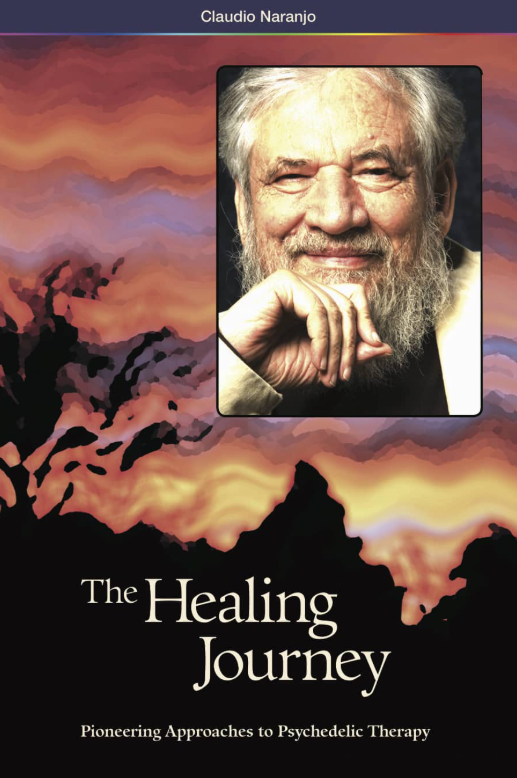
Claudio Naranjo, a Chilean psychiatrist, also advocated for ibogaine in therapy in his 1973 book, The Healing Journey.
How ibogain helps:
Given its plethora of brain activity, it’s still impossible to point out the exact mechanism of what makes ibogaine help in addiction. However, there could be some potential leads on why it happens:
Effects on the kappa-opioid receptors:
Increasing growth proteins (neurotrophins):
The experience alone:
Neural flexibility in psychedelics:
Have a safer trip with Miraculix
Harm Harm reduction factors in ibogaine:
Before entering your ibogaine ceremony or experience, make sure that you have checked the elements present in this checklist:
- I am aware of the risks of psychedelic use
- I am aware of dosing guidelines
- I have read reviews and carefully selected a reliable clinic or ceremony facilitator
- I know that I am confident and in my mindset before using these compounds
- I am in a safe space before taking ibogaine
- I have a reliable trip sitter or health professional with me or someone to trust that is sober and has a plan for the events that are about to take.
- I am aware that there might be legal consequences when purchasing these substances
As always, stay safe, sending love.