“Trip Movies” a lost concept in retro Sci-Fi
By Goncalo V.
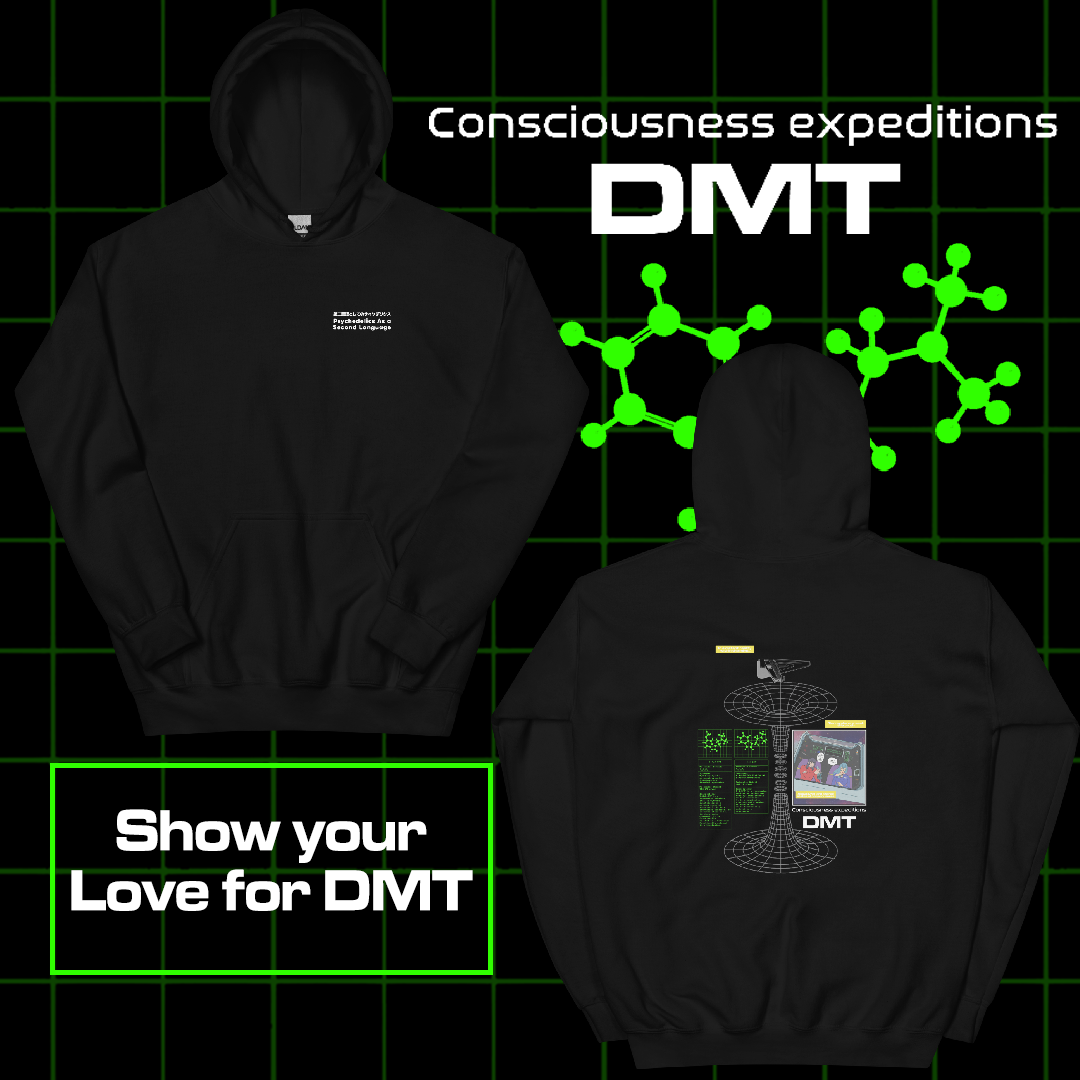
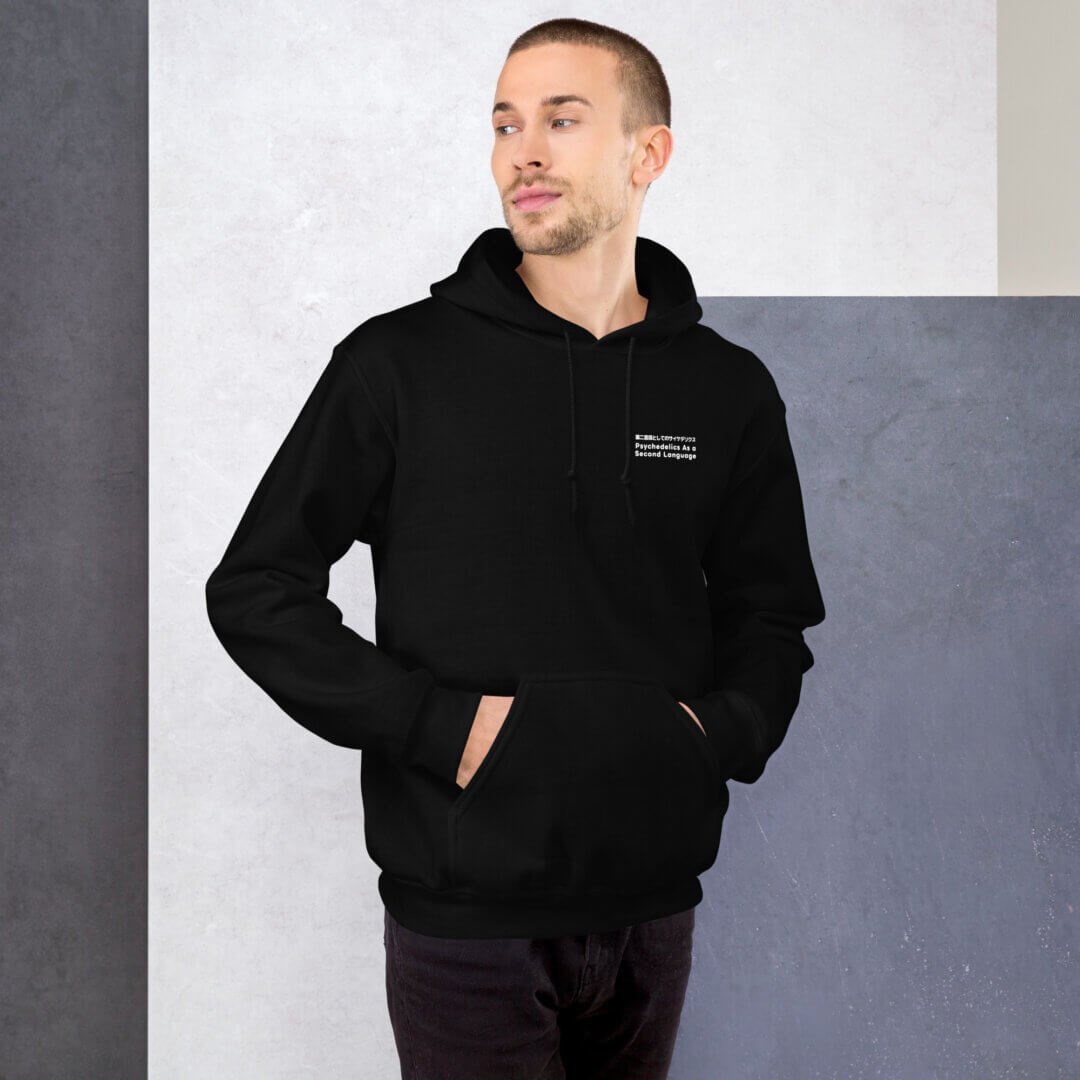
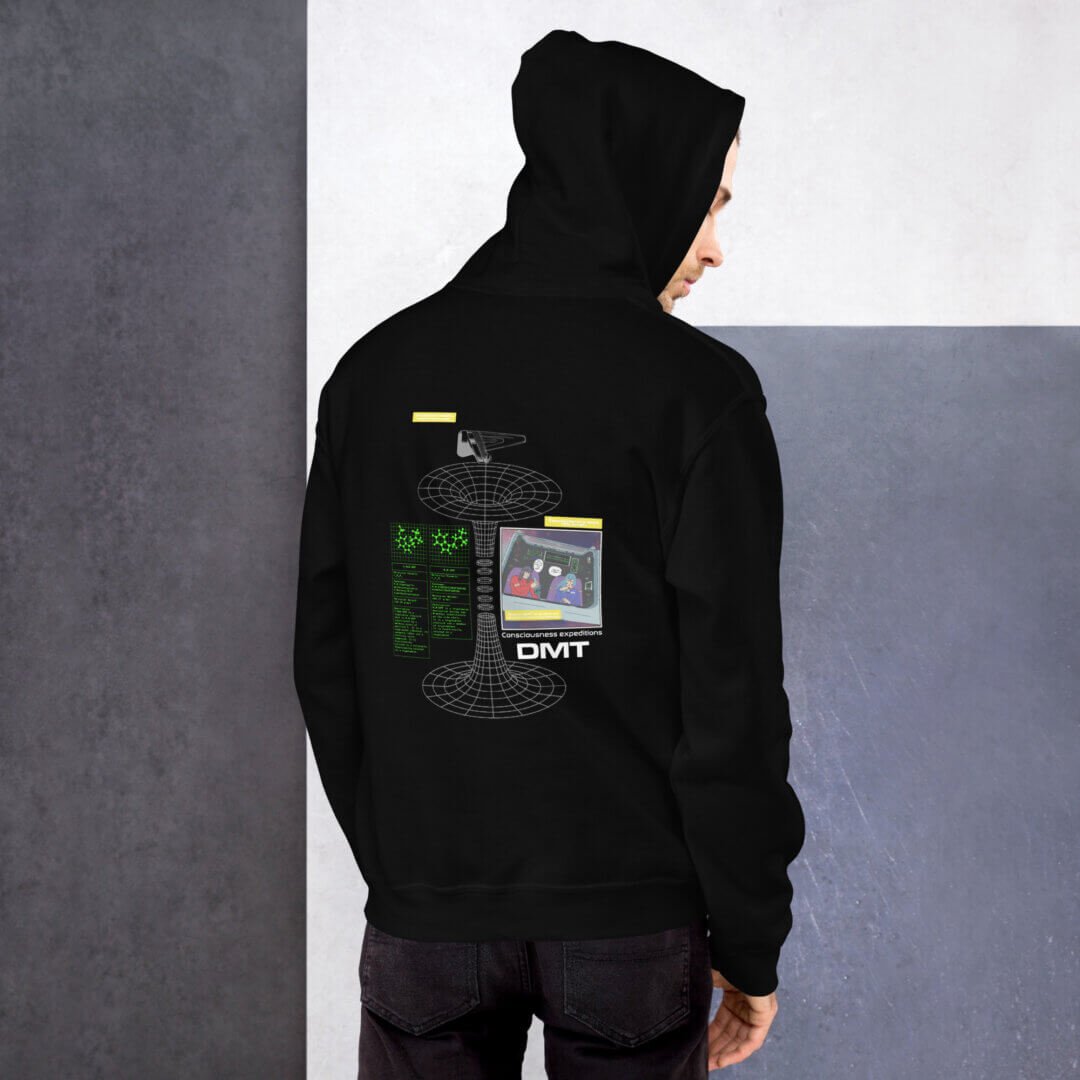
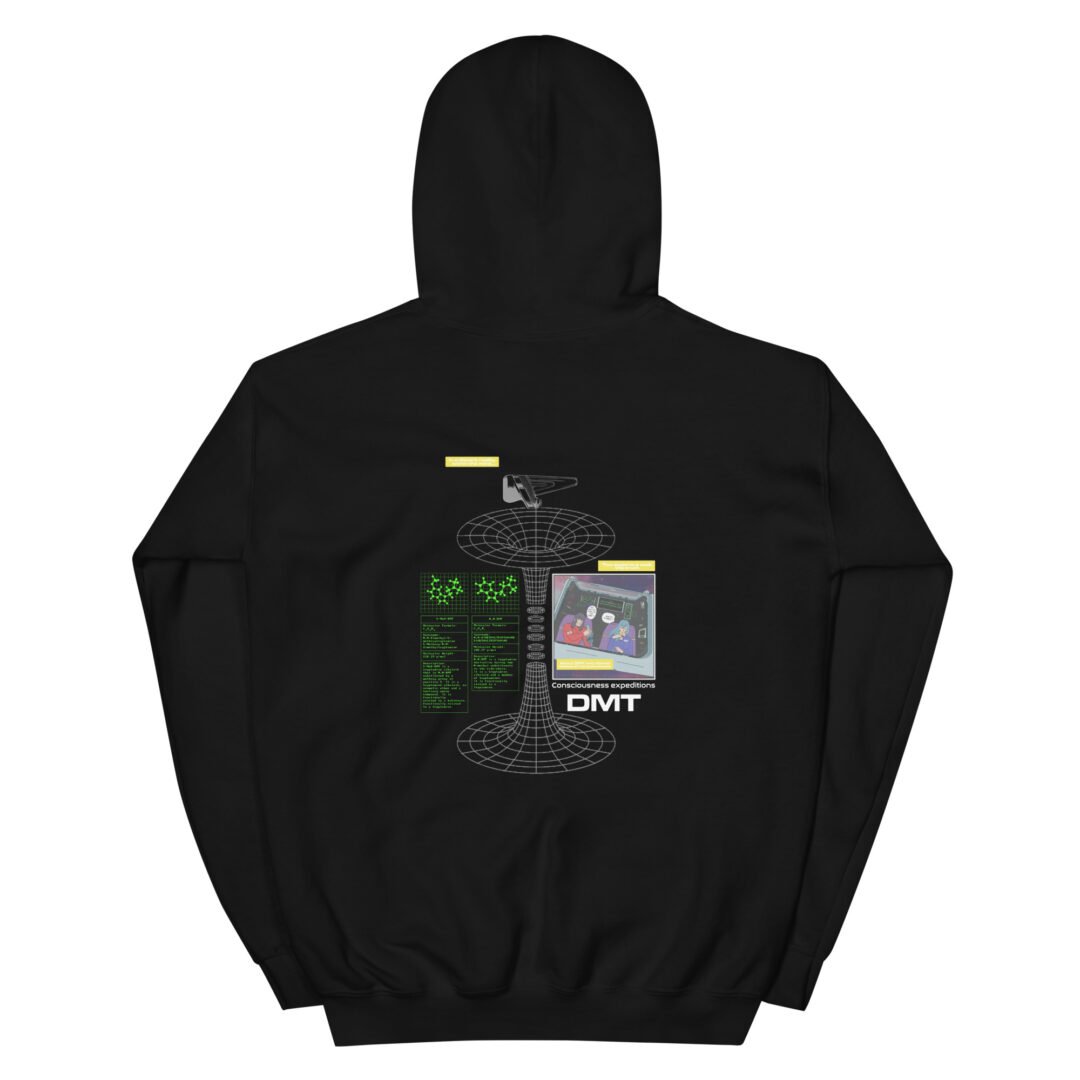
Our ideas for designs and apparel typically don’t come from other psychedelic-related merchandise. Instead, we focus on various forms of art, such as retro movies and cartoons, personal experiences, and people we cross paths with, music albums, or even comic books. How we came across this concept started non-differently from others we’ve brought to our articles, with someone sitting in front of their laptop searching for what could be a nice inspiration for a t-shirt featuring the question many have still today: “Is DMT the same as 5-MeO-DMT”, the fact that many don’t specify DMT from 5-MeO-DMT when talking about their experiences (you can read more about DMT vs 5-MeO-DMT here.) and the newly made research claiming that psychedelics create “ wormholes” in the brain connecting distant areas of the brain. (Read more about that research here.)
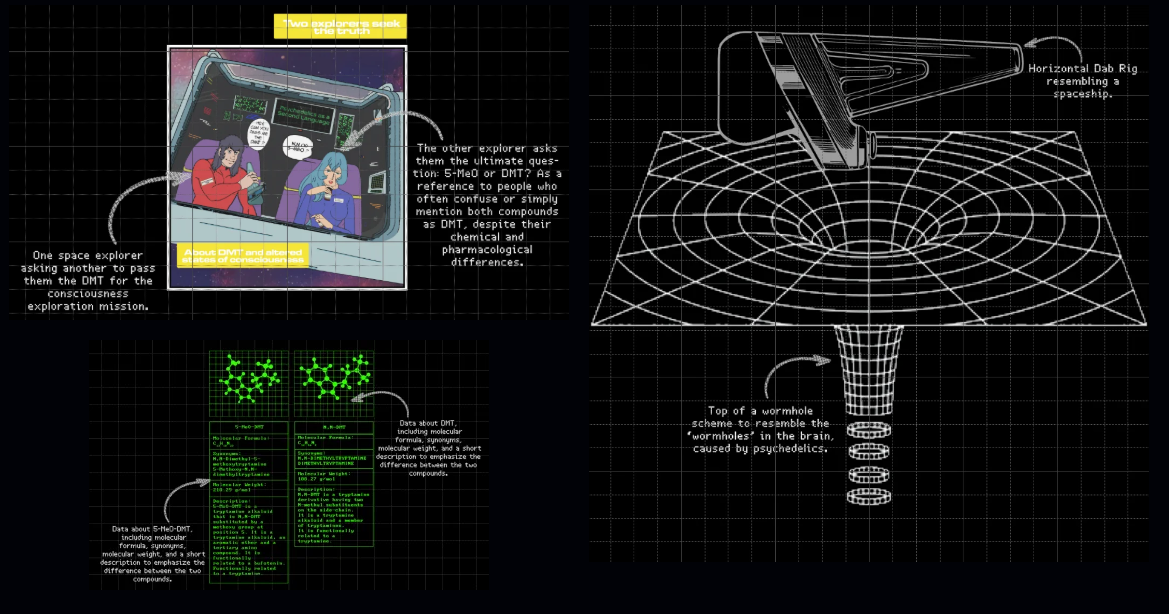
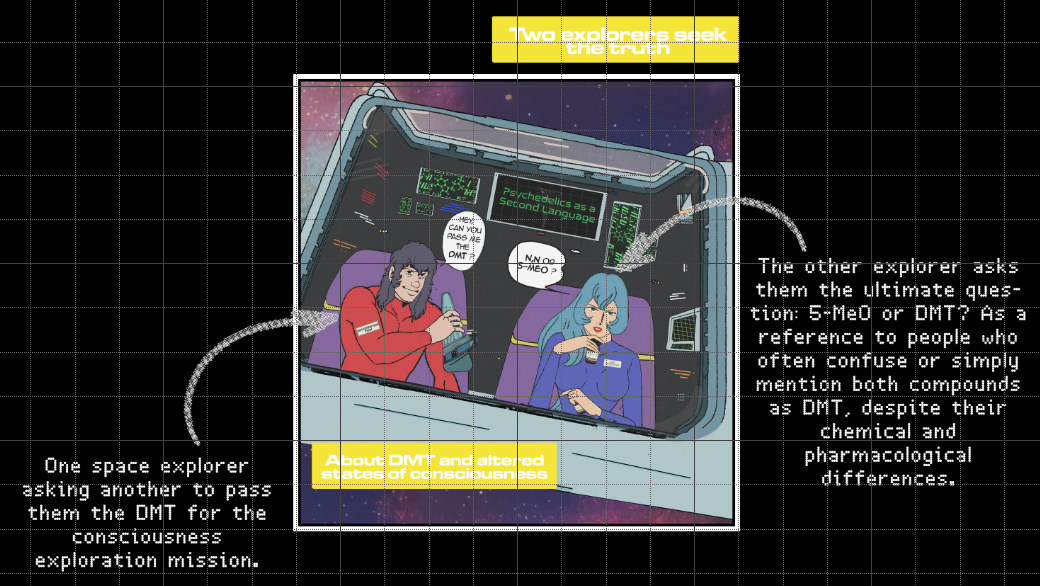
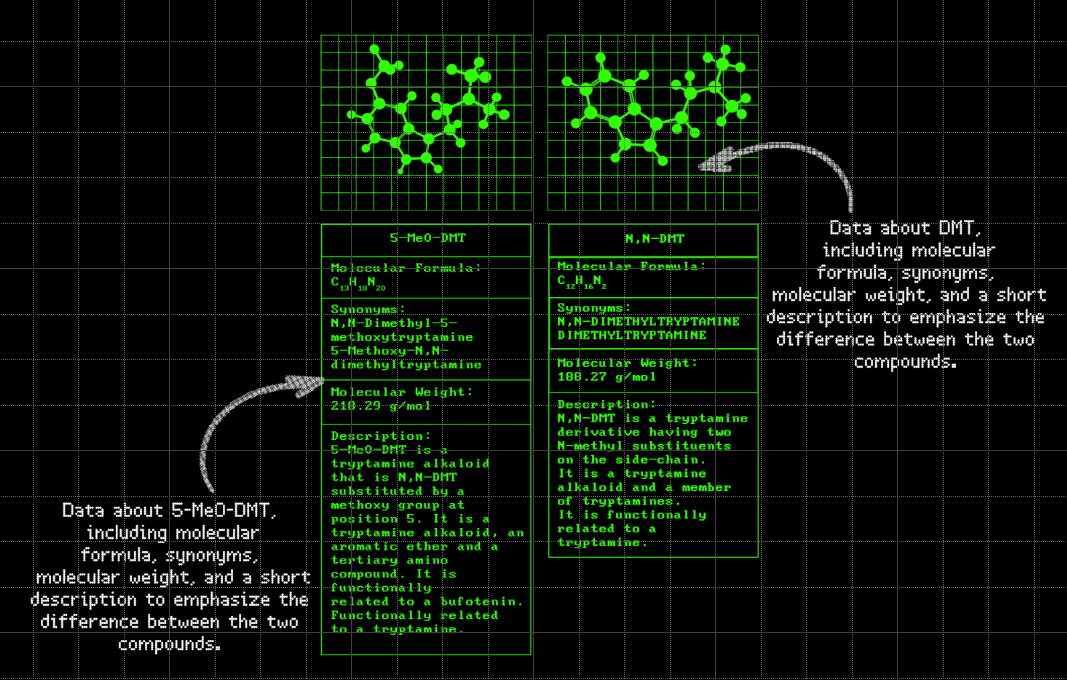
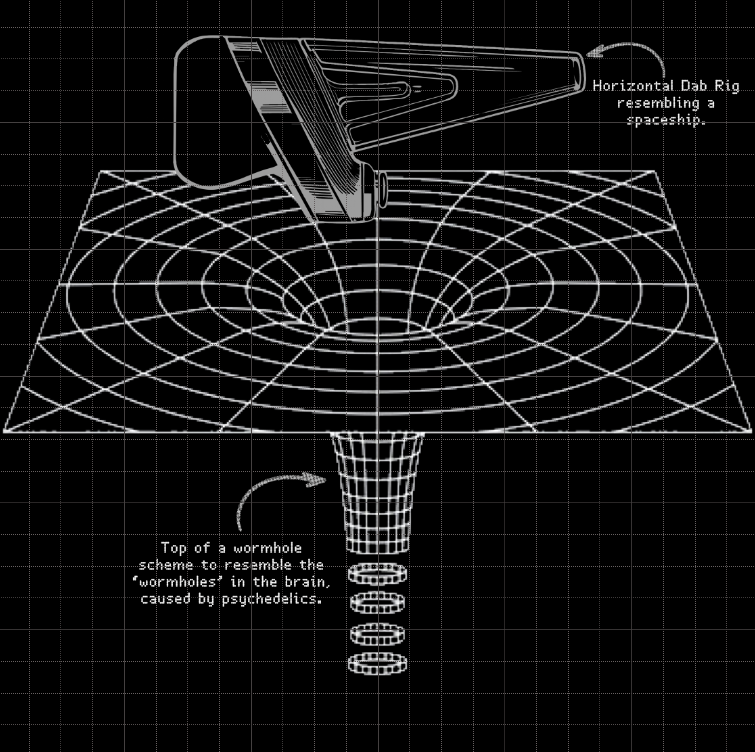
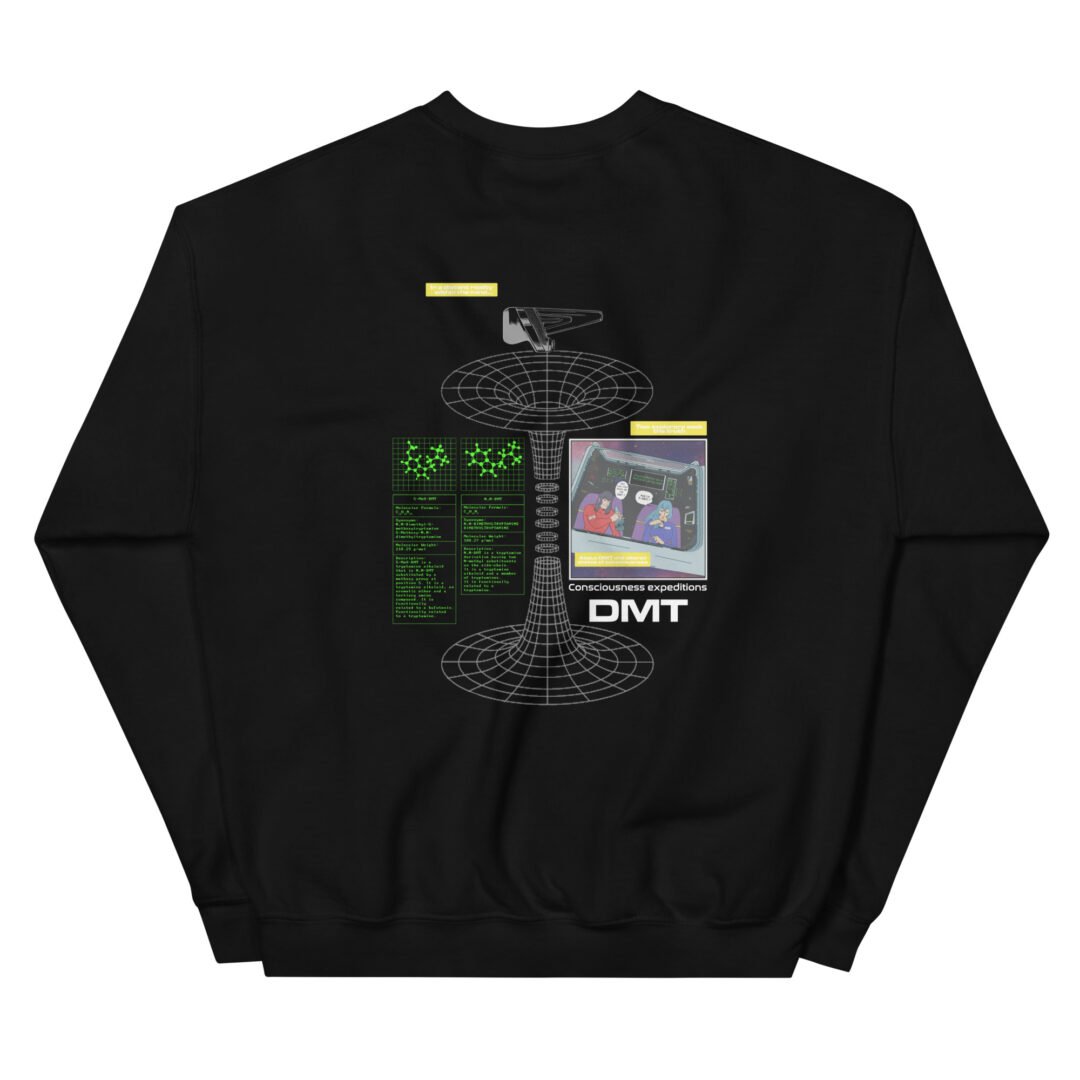
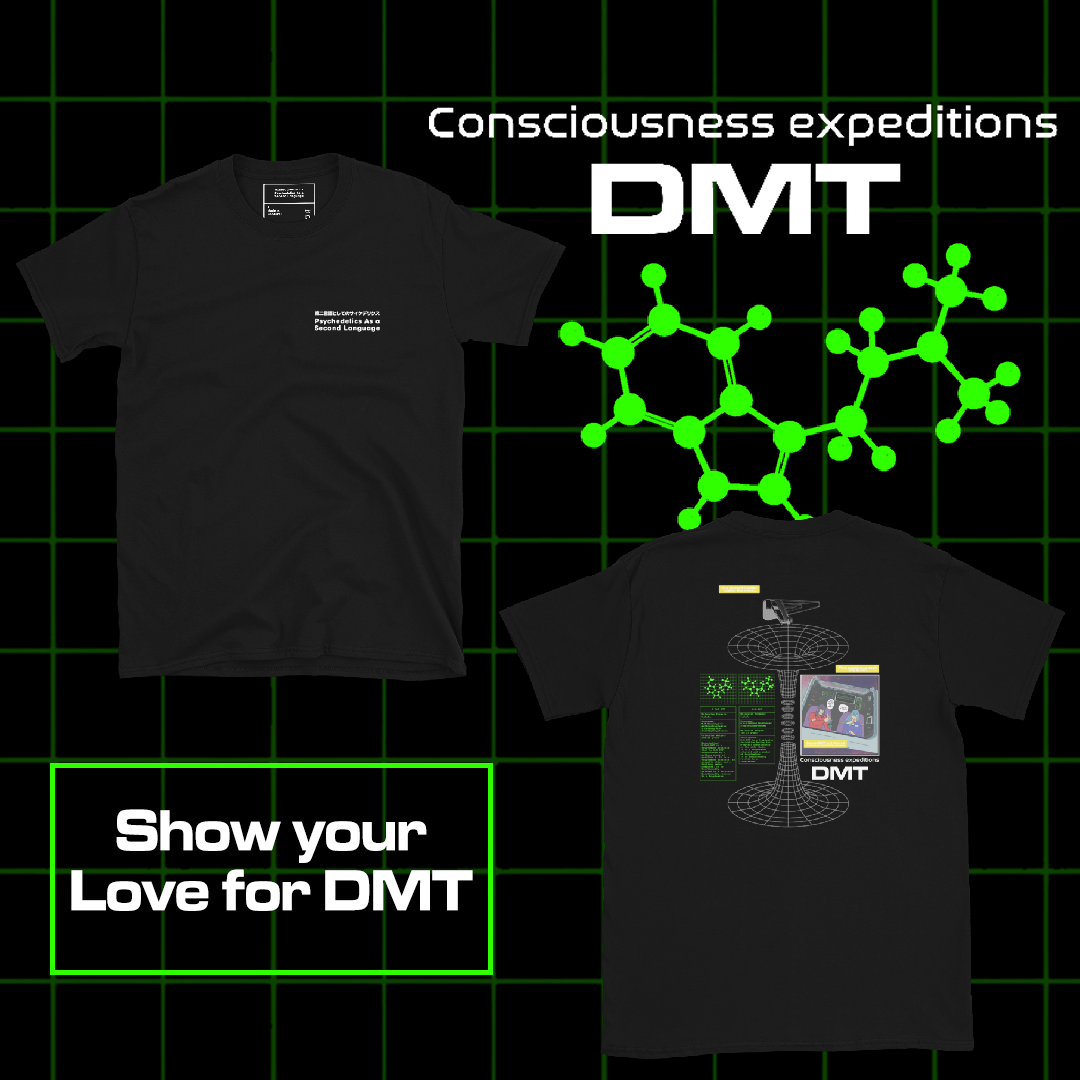
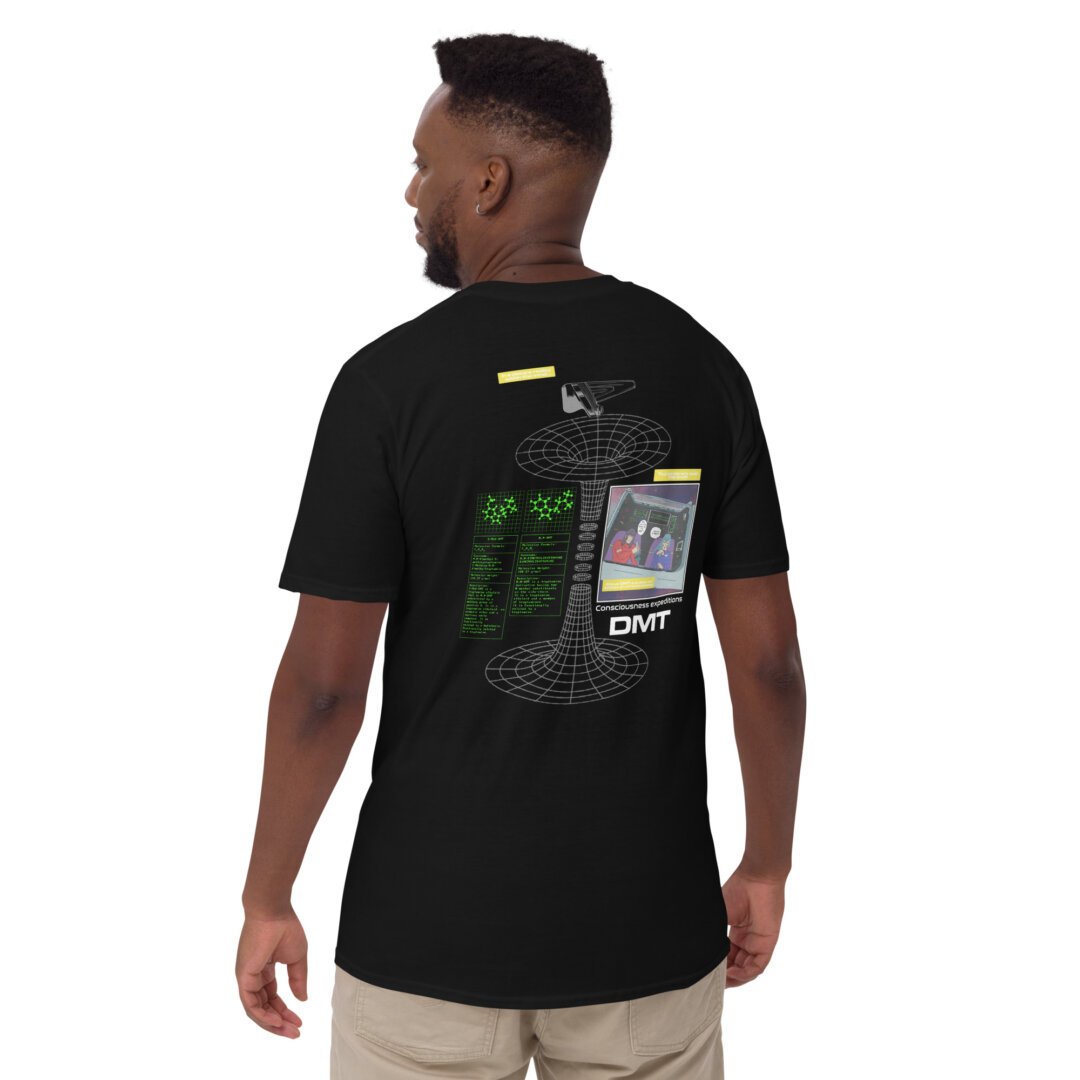
As a way to feature all of those elements, we’ve decided to set the scene in the space, featuring the wormholes previously mentioned, and what seemed to be the most popular paraphernalia in Reddit and Discord users when it comes to DMT, dab rigs, which would serve as a spaceship for two characters inspired by retro sci-fi cartoons.
Some concepts deserve to have a physical form and be worn by you

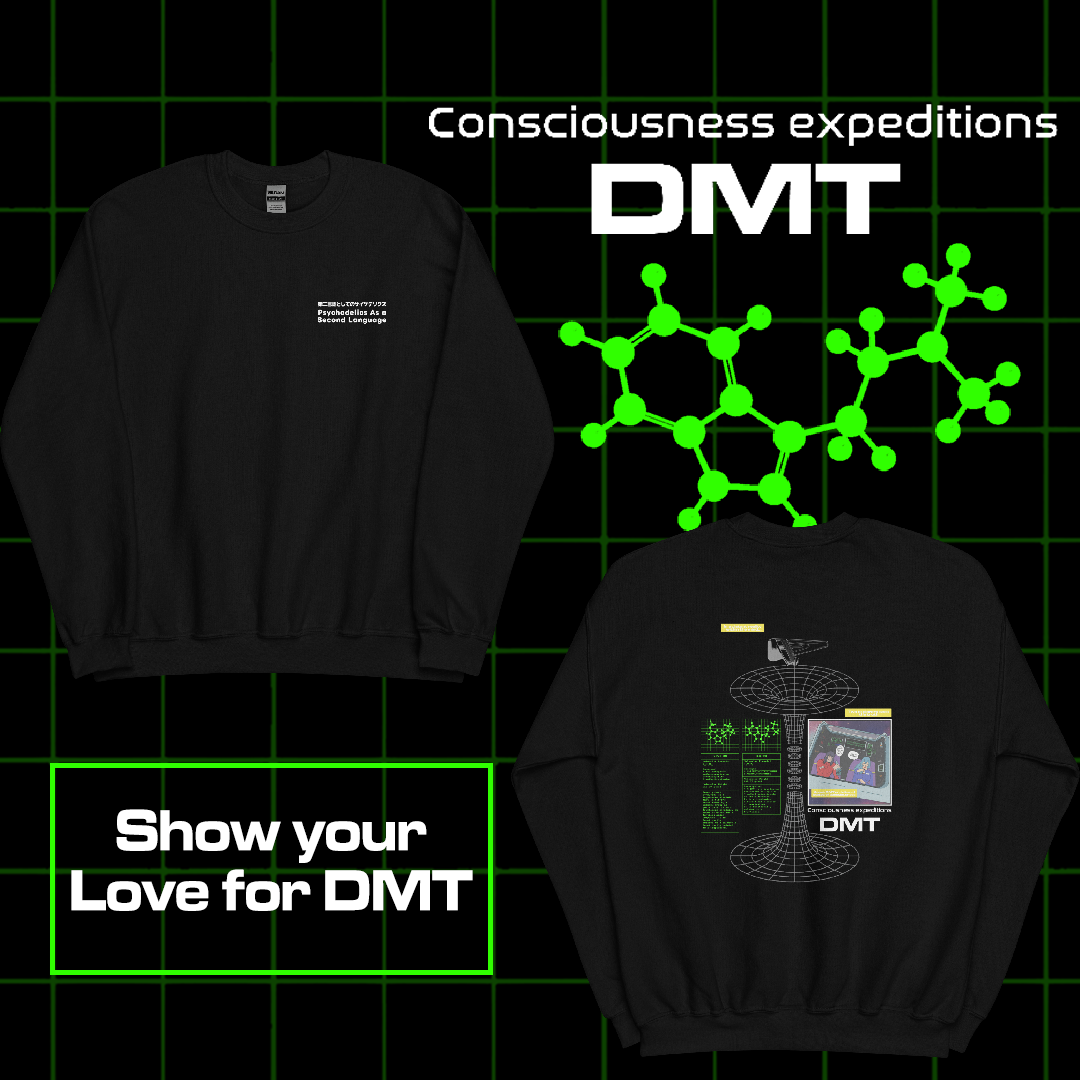

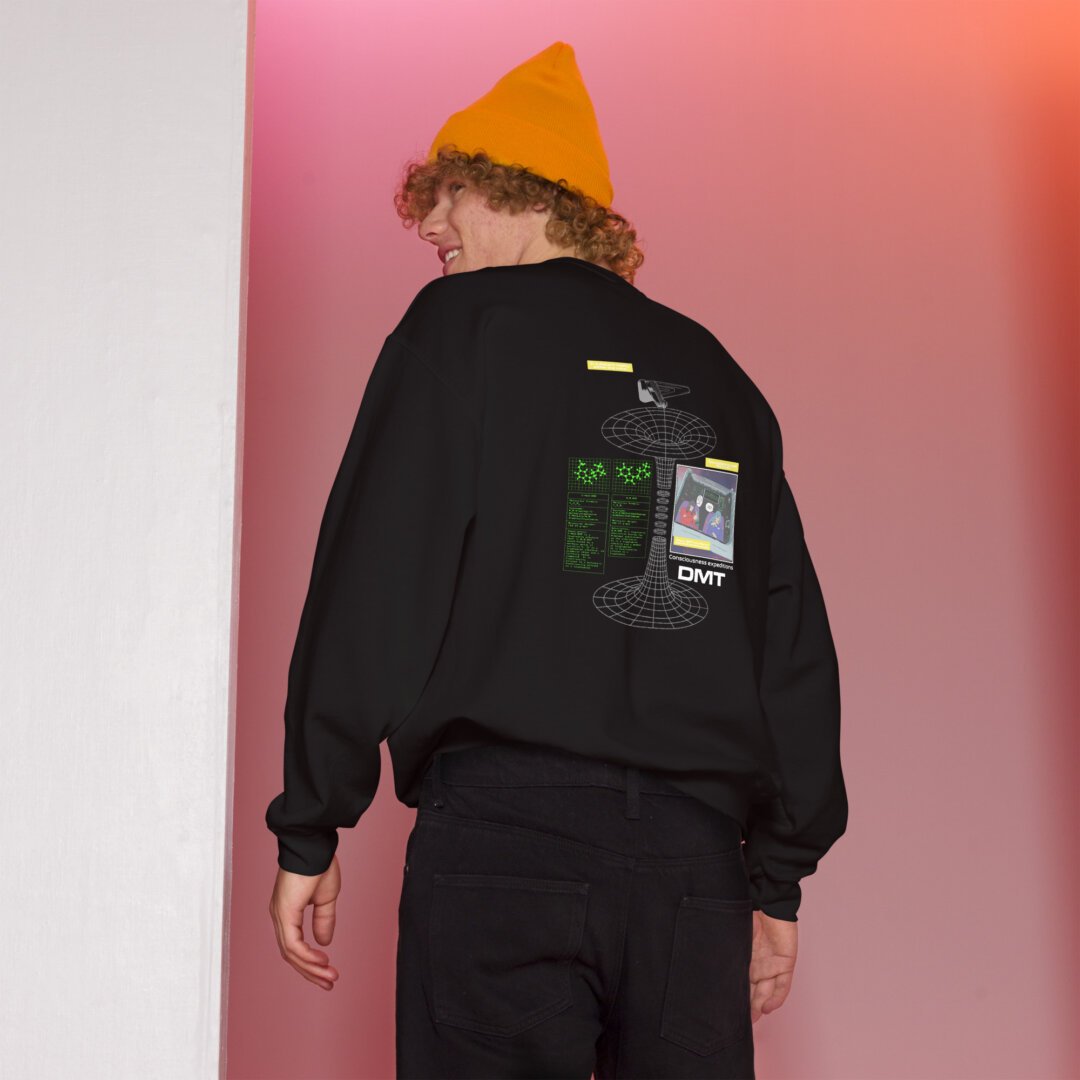
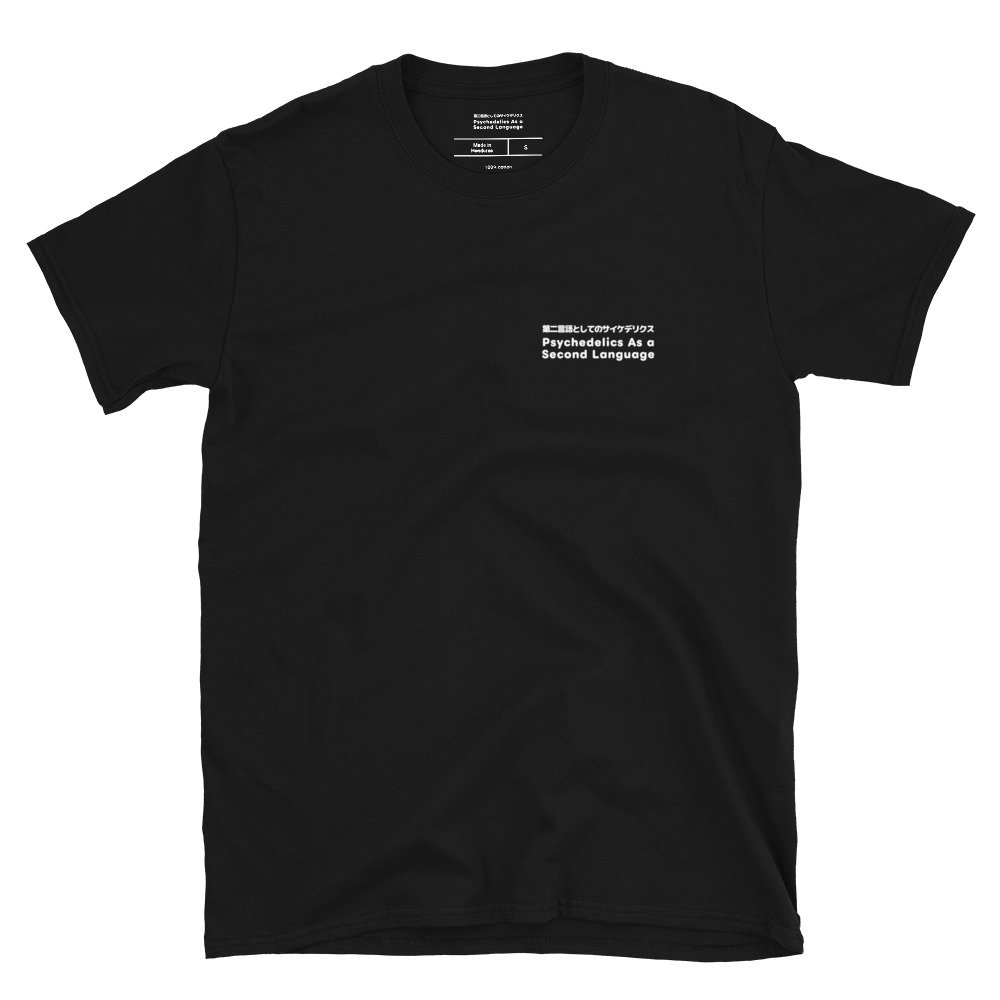
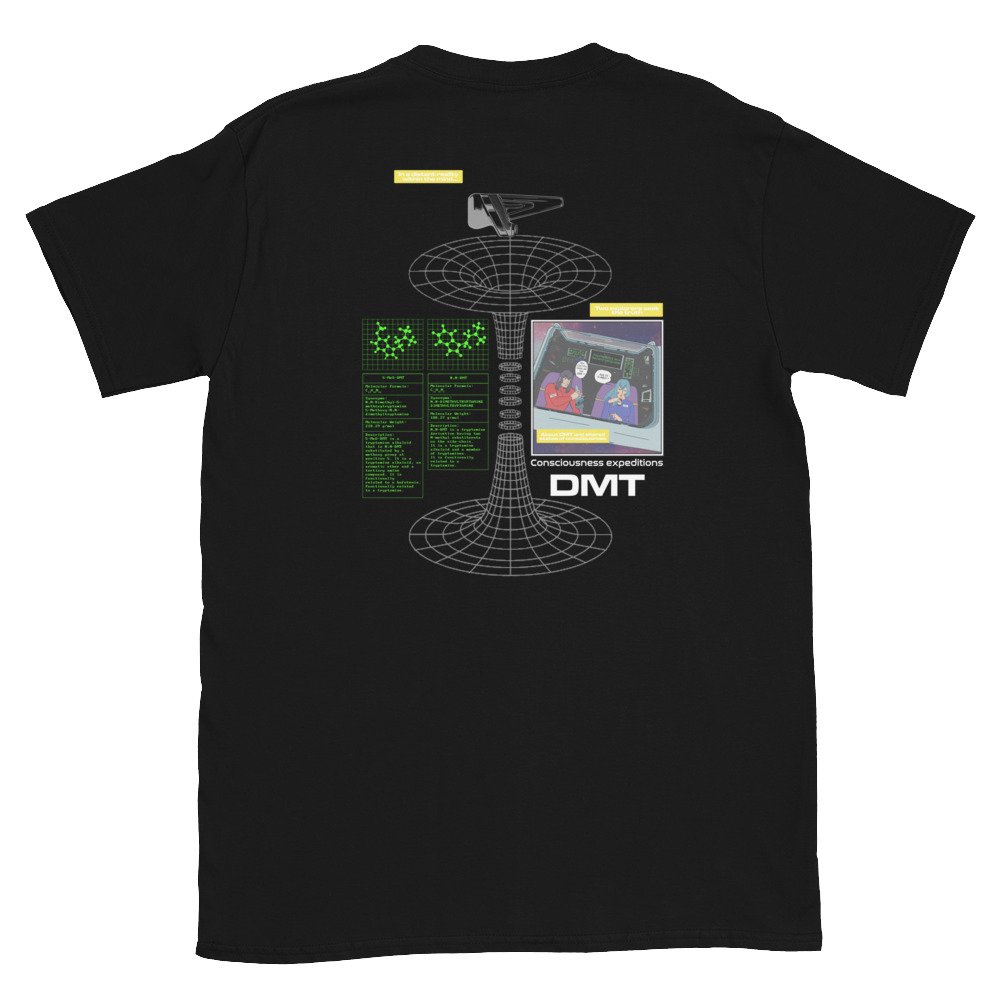
When searching for old sci-fi cartoons, I came across one that caught my attention. A 1982 cartoon named Space Adventure Cobra. Just a decade after the Psychedelic Art influence hit Japan, we can still see various elements of psychedelia featured in the movie, not just in art but in the exploration of the mind.
And let me tell you, the exploration of the mind shouldn’t be taken lightly.
While living in a futuristic city filled with neon, alien entities, and androids as companions, the protagonist is broke, both financially and mentally, feeling like a big part of his life is missing, and he doesn’t remember much of his past. This all changes when his android recommends a cheap entertainment for the protagonist.
To go see a “Trip Movie”.
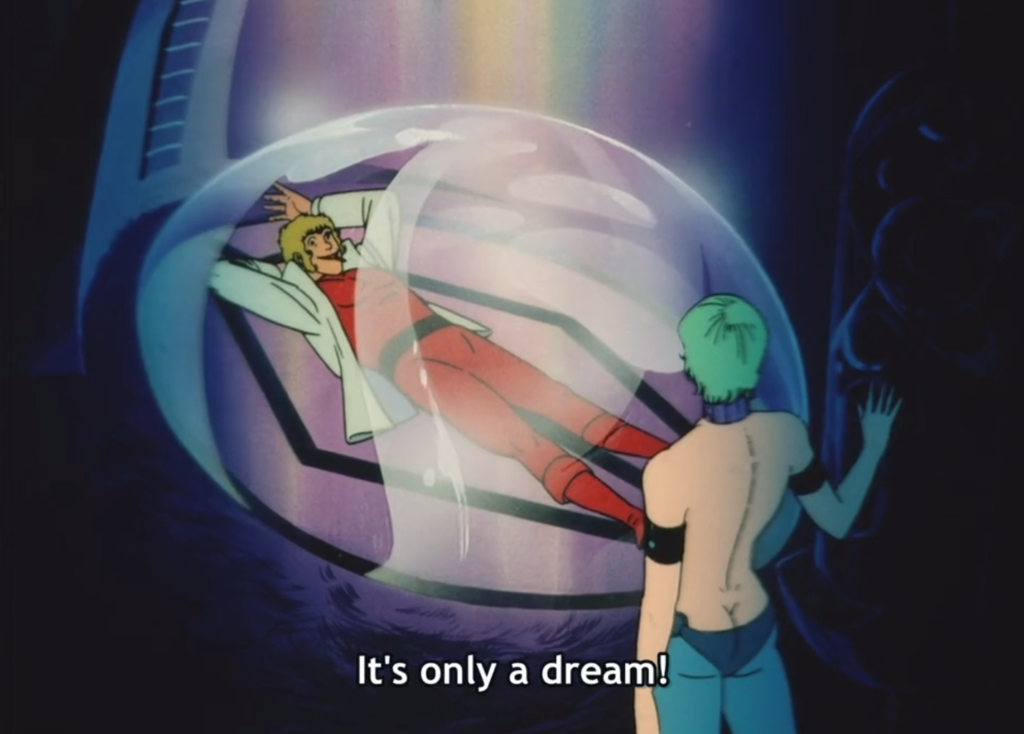
My brain started ringing after hearing this concept, especially after one of the characters explained how the “trip movies” work. According to the character working in the facility, these Trip Movies work by tuning our brain to lower frequencies. The client would pick a movie, and by fine-tuning these frequencies, they would be able to reproduce that experience within their mind. Even if this is a brief explanation, it’s a concept we’ve been deeply exploring, mentioned in one previous article, and in one of the chapters of our upcoming book, Entheogenic Synergy.
While selecting what we trip about is somewhat impossible to determine, there are certain ways we can attempt to modulate someone’s trip by using external factors (we will explore this concept further in this article). Allowing people to enter such a trance or altered state by fine-tuning their brains is not just possible, but real, and can produce life-changing experiences.

According to research published by Berkley Psytech, low-frequency oscillations (slow waves), crucial to various cognitive processes, including consciousness and memory consolidation, might be the key to the life-changing experiences reported by users when consuming 5-MeO-DMT, including the deconstruction of reality that many users report.
Such a deconstruction of reality describes exactly what happens to the main character of the movie after entering the Trip Movie. He vividly experienced being a notorious wanted space pirate named Cobra with an embedded gun in his arm, Psychogun, which had become an urban legend for its ability to shoot people with the power of the mind. The experience not only changed his perception of the world, but also changed his life, after he found that in reality, this was not the movie he had selected; instead, it was a roll-back of memories he decided to erase when changing his appearance to run away from the galactic pirate life, and follow a normal life.
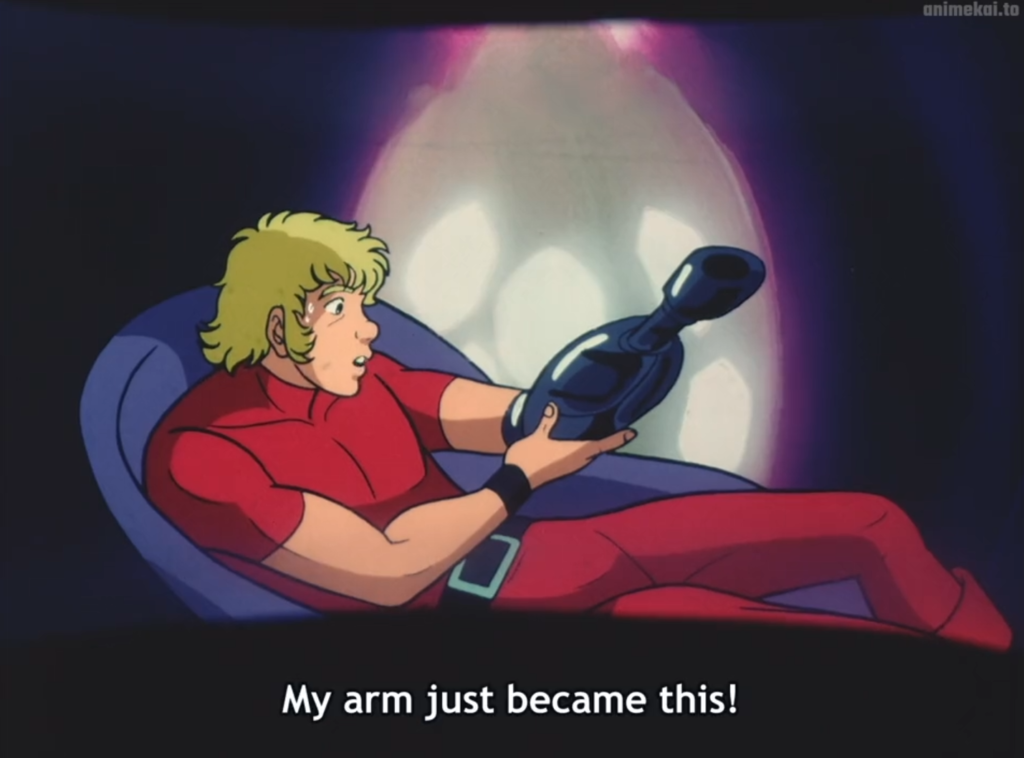
But how could someone tune their brain to allow it to have low-frequency oscillations and how could that change someone’s life?
To understand this, we must explore a bit more about what these low frequencies are and why the research linking life-changing experiences with these slow waves is at the surface level despite its exploration in retro sci-fi.
Many sci-fi stories are based on real science or architecture, yet with a twist. Writers often grab pre-existing concepts or research and give them their own little twist of imagination. This falls into the same category; while the idea might seem novel, we’ve been aware of low-waves in the brain since 1924, when the German psychiatrist invented the EEG and recorded human brain activity for the first time. Inspiring W. Grey Walter, who described other forms of low-waves in the brain.
Like any organ, the brain is no exception to standing still; instead, various flurries of activity happen throughout the day, while at first the movement seems to be disorganized, there is indeed a harmonic rhythm to it, as if specific regions of the brain were talking with each other, with synchronized signals, like ripples traveling across your cortex each with their own purpose. Slower waves are typically connected to states of sleep, being focused on the internal world, states of bliss, and deep sleep.
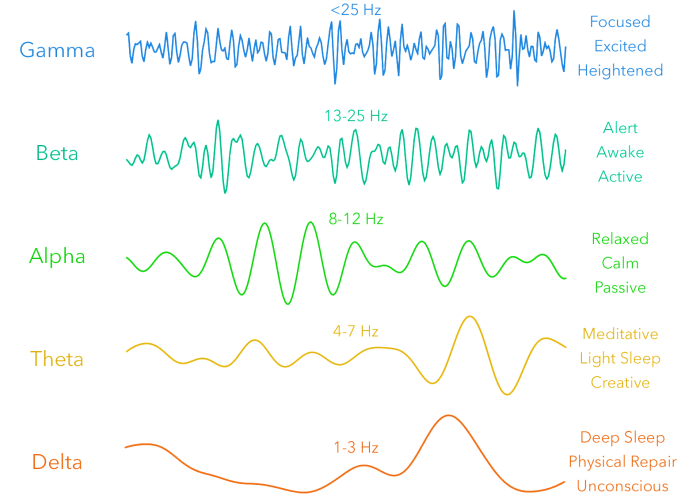
If we were to analyze people who’ve had life-changing experiences mentioned in the Berkley Psytech studies, we could see that after the vaporization of 12mg of synthetic 5-MeO-DMT, there was a radical shift in the brain dynamics of 29 healthy participants, particularly in low-frequency oscillations (slow waves). There was a shift towards more stable and low-dimensional states of activity, meaning that the brain’s ability to switch rapidly between patterns of activity diminished. This slower and more constrained dynamic, with increased “energy barriers” to quick global shifts, contrasts with the brain’s usual flexibility and complexity in a natural resting state.
Such altered dynamics are relevant for models of how psychedelics interact with serotonin receptors to produce their psychedelic effects, including alterations in perception, self-awareness, and consciousness.
Yet, 5-MeO-DMT is not the only way these dynamics of the brain are changed; the same can happen naturally while we sleep, one of the examples being the connection between theta waves associated with vivid dreams that could change how we perceive certain situations or change certain aspects of our life, but also the astral and mystical experiences in deep meditative states.
While we are able to enter these states by altering our brain dynamics, unfortunately, this is where reality clashes with fiction.
The vast dimensions of the mind are impossible to pre-determine, despite our efforts to focus on our goals and what we wish to seek, and while there is currently no way to overcome this, there are strategies that we may implement during these experiences to attempt to modulate what our experiences portray within the mind.
If we were to speak with someone who has worked in the field of psychedelic therapy, their answer would be to focus your attention on your intent, on what you are looking for, and to surround yourself with a setting that promotes what you are looking for.
This isn’t wrong by any means, but there is still a chance of ambiguity towards why you chose to enroll in that experience in the first place. Perhaps you just feel lost, uncertain about what you are looking for, or you may even become overwhelmed with random thoughts of things you’ve witnessed throughout your week or month. This can range from a plethora of things, such as the last Marvel movie you watched, to a documentary about why dragons appear in every culture.
The next thing you know, you could be witnessing Rocket Raccoon flying in the back of Falkor from The NeverEnding Story with the objective of restoring Ancient Earth.
Now, while this might have different interpretations and meanings from your mental place, as an experience, you might be thinking, “Well… that was a waste, I was attempting to reconnect with X thing in my life,” or even have a transcendental experience like the one mentioned in Space Adventure Cobra.
Conversely, some people possess limited creativity or struggle to clearly visualize mental images. In such cases, users may not experience the vivid encounters often described online, such as meeting deities, machine elves, or anything at all.
It’s a reality that many people in the psychedelic realm will tell you that the most they’ve seen during their trips was a slight change in color, or faint shapes overlaid in reality, and in these cases, we would need a bit of a boost (we will be talking about psychedelic visual hallucinations in a future article).
But how could we exactly provide this visual boost when people are having these experiences?
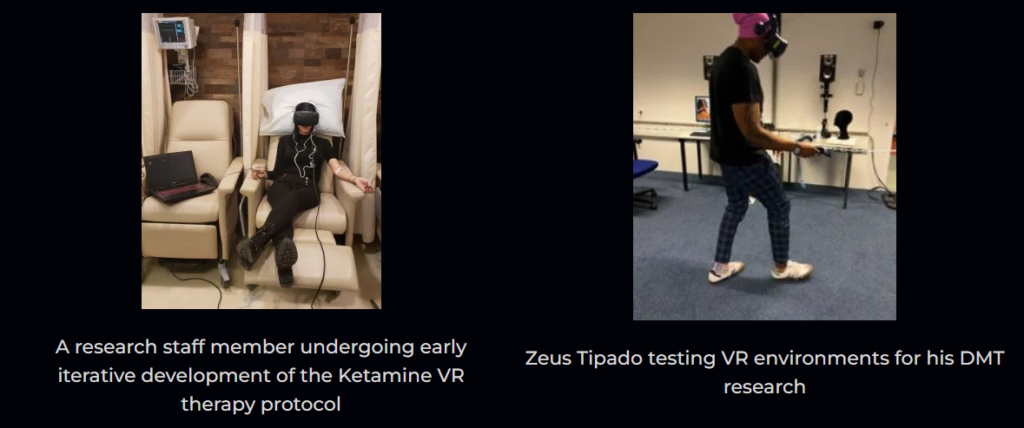
To some, this might seem rather impossible – to immerse visuals into someone’s mind – we’ve had the answer to this as early as the 1950s, with the early forms of Virtual Reality technology. If someone is having a hard time visualizing and isolating themselves in a mental setting, VR can be used to aid relaxation and reduce anxiety; buffer from external stimuli; promote a mindful presence; train the mind to achieve altered states of consciousness (ASC); evoke mystical states; enhance therapeutic alliance and encourage self-efficacy.
Currently, we know of at least two forms of VR-Psychedelic therapy being studied, Ketamine Infusion Therapy, aided by VR (check the podcast of one of our friends, Dr. Melissa Selinger, on the subject, or read the first publication of her and the team on this research). Another notable study using VR is from one of our friends, Zeus Tipado, and the Psychopharmacology department at Maastricht University, with the aim of combining DMT with VR. While both compounds are very different from a user perspective, I firmly believe Ketamine would be a more suitable compound for this type of research. Given that DMT can become too overwhelming for patients due to its strong visual-hallucination effects. For this reason, there are some compounds that we might see entering this field of research in the future and become somewhat promising in managing how an experience might go by providing the right visuals.
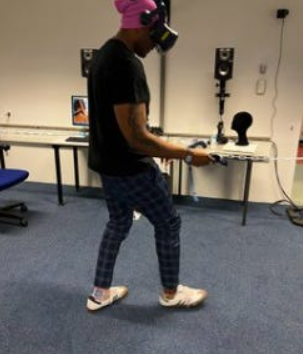
Some of our compounds/ethnobotanicals of interest for future VR integration would be the following:
- 2C-B
- Entactogens (Empathogens) such as MDMA
- Mescaline
- Muscimol
- MXE
- Oneirogens such as Nymphaea caerulea (Blue Lotus)
- Small dosages of Psilocybin
However, going back to our first idea of Trip movies and how this was depicted in the movie, the character didn’t take a single pill or any compound. Instead, he entered a segregated capsule with a bed, quite similar to a Samadhi float tank. This made me wonder, “What would be the closest thing we have today to allow someone to have these experiences without any intake of a compound, something that would be naturally induced, and yet with the aid of technology?”
By gathering the pieces of the chamber being segregated, the capsule with a bed, and modern technology known to alter brain patterns. My guess would be a blend of Binaural Music, Breathwork exercises, Meditation, and VR.
But we would like to hear your theories on what could be the reality of a “trip-movie”!
You can pitch us your ideas to our email or DMs!
Sending love.