Lanmaoa Asiatica lilliputian hallucinations or an anthropological phenomenon?
By Goncalo V.
In January 2026, a mushroom began to appear in various news outlets after its appearance on the BBC due to its unique effects, Lanmaoa asiatica.
When mentioning mushrooms and hallucinations, our brain automatically says it’s either psilocybin (from the psilocybe genus) or muscimol (from Amanita Muscaria); however, once we analyze trip reports from these compounds, they often don’t follow a pattern, even if ingested multiple times throughout our lifespan, making these trips “unpredictable” in the sense of we cannot predetermine what the peak of our trip will look like, especially when mentioning visual hallucinations. However, things are far different when mentioning Lanmaoa asiatica.
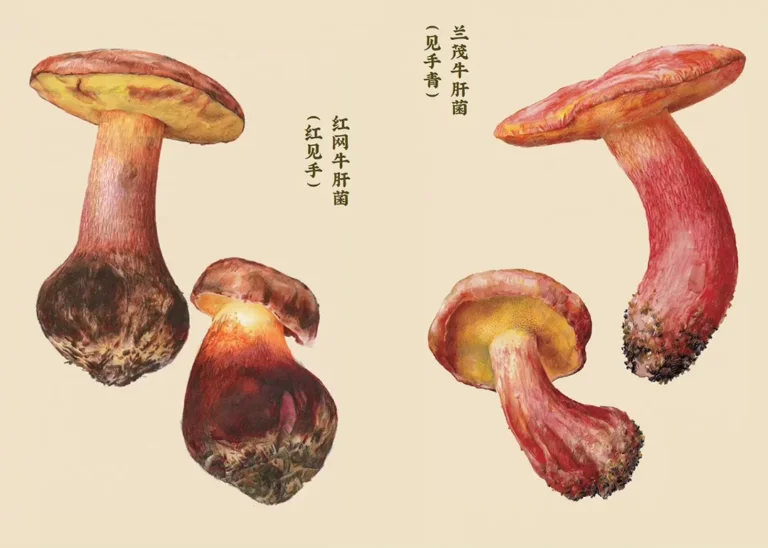
Unlike the unpredictability of visual effects in other mushrooms and psychedelics, doctors at hospitals in the Yunnan Province of China (the natural habitat of Lanmaoa asiatica) report hundreds of cases every year, with 96% of the patients having the same visions of “tiny people” or “elves”, dancing, jumping, or marching around the environment.
Here’s where things become interesting…
How do people obtain these mushrooms, and what causes these hallucinations?
Surprisingly, Lanmaoa Asiatica is one of those mushrooms that lived for ages under everyone’s radar until 2014, when a group of mycologists in Yunnan purchased and sequenced the mushroom, making it a species known to science. During the sequencing and understanding of the mushroom in the eyes of science, something rather unique was found. Lanmaoa Asiatica is more closely related to Porcini (Boletus edulis) than any known psychedelic mushroom species. Where people get these mushrooms might also surprise you, as these fungi aren’t scheduled; they can still be bought in open-air street markets and are present on restaurant menus when in season, despite reports from hospitals and warnings.
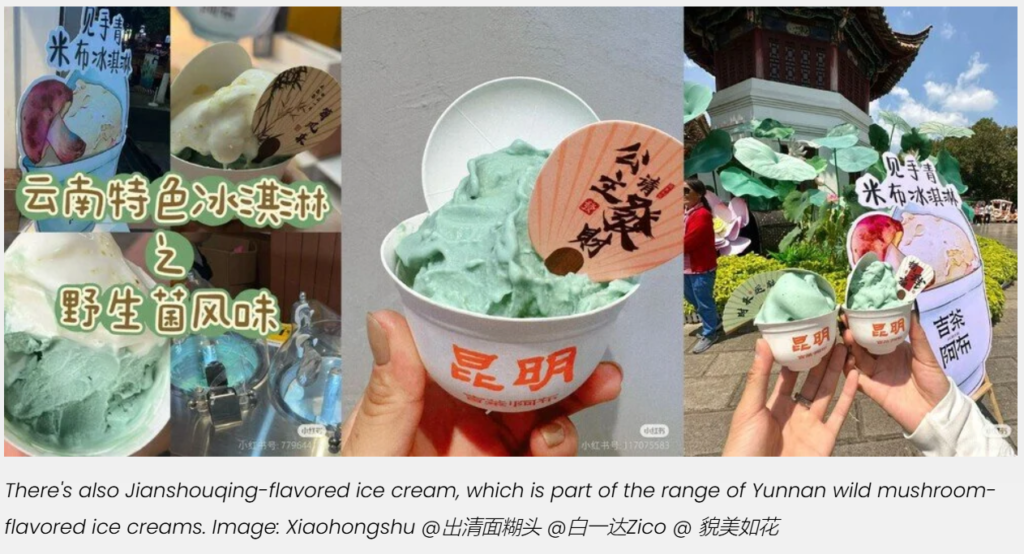

The reason why lies in the cultural and folk knowledge surrounding the mushroom and its hallucinatory effects, while the species is fairly recently acknowledged by science, Lanmaoa Asiatica, like Ayahuasca, once had deep ancient roots in the Chinese culture, with data remoting to Daoist texts from the 3rd century CE refering to a flesh spirit mushroom that if consumed raw allows people to “see a little person” and “attain transcendence immideatly”.
“If you see a little person seven to eight cun 寸 [3-33cm] tall riding in a carriage when you travel on a mountain, you have encountered a flesh spirit mushroom. Consume it raw, and you will attain transcendence immediately.” – Daoist Ge Hong (~300CE) – The Master Who Embraces Simplicity 抱朴子:] “Rou zhi 肉芝 (Flesh Spirit Mushroom).
Meet our Ecstasymon- Limited Edition collection
While what makes the mushroom hallucinatory is still unknown to science, this quote actually brings us more clues to what makes the mushroom cause hallucinations than we might think, and so users on the notorious psychonaut forum Bluelight caught up to this little detail and began speculating about what could be the compound responsible for such lilliputian hallucinations using the data and the chemical composition of the mushroom we currently have available.
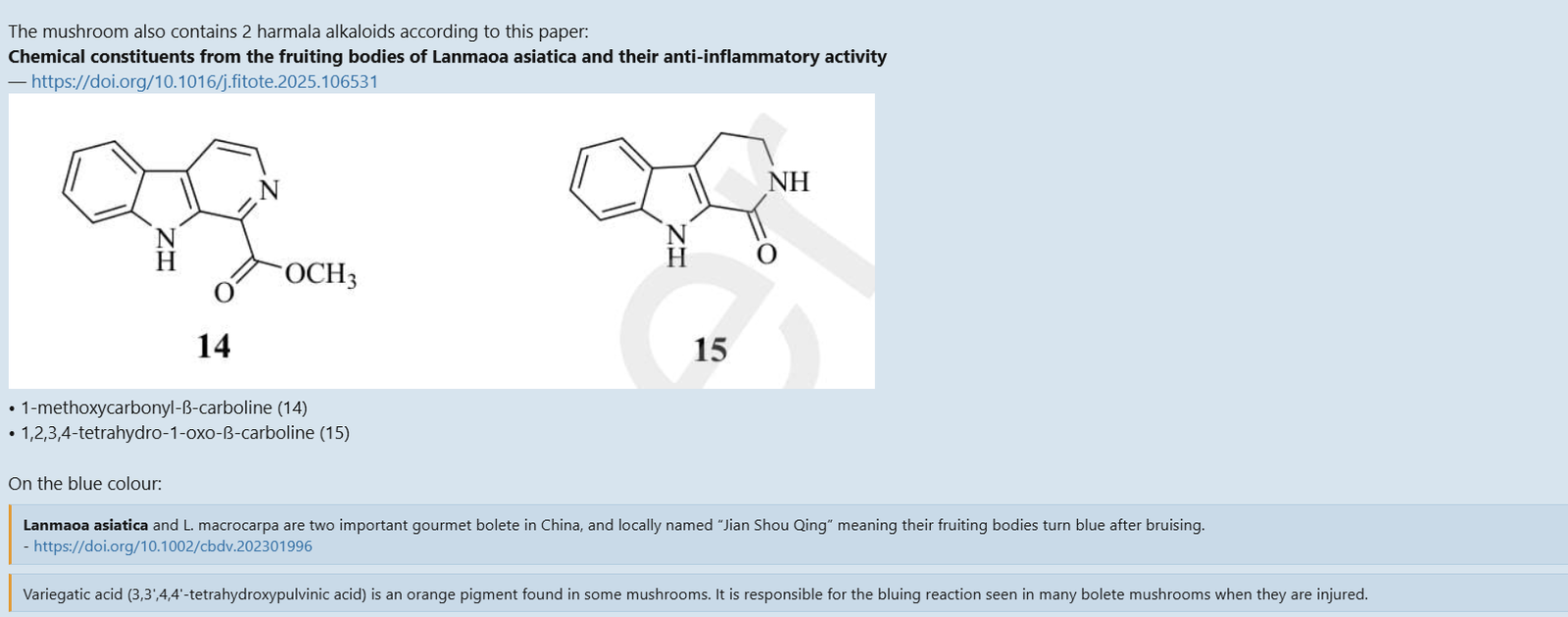
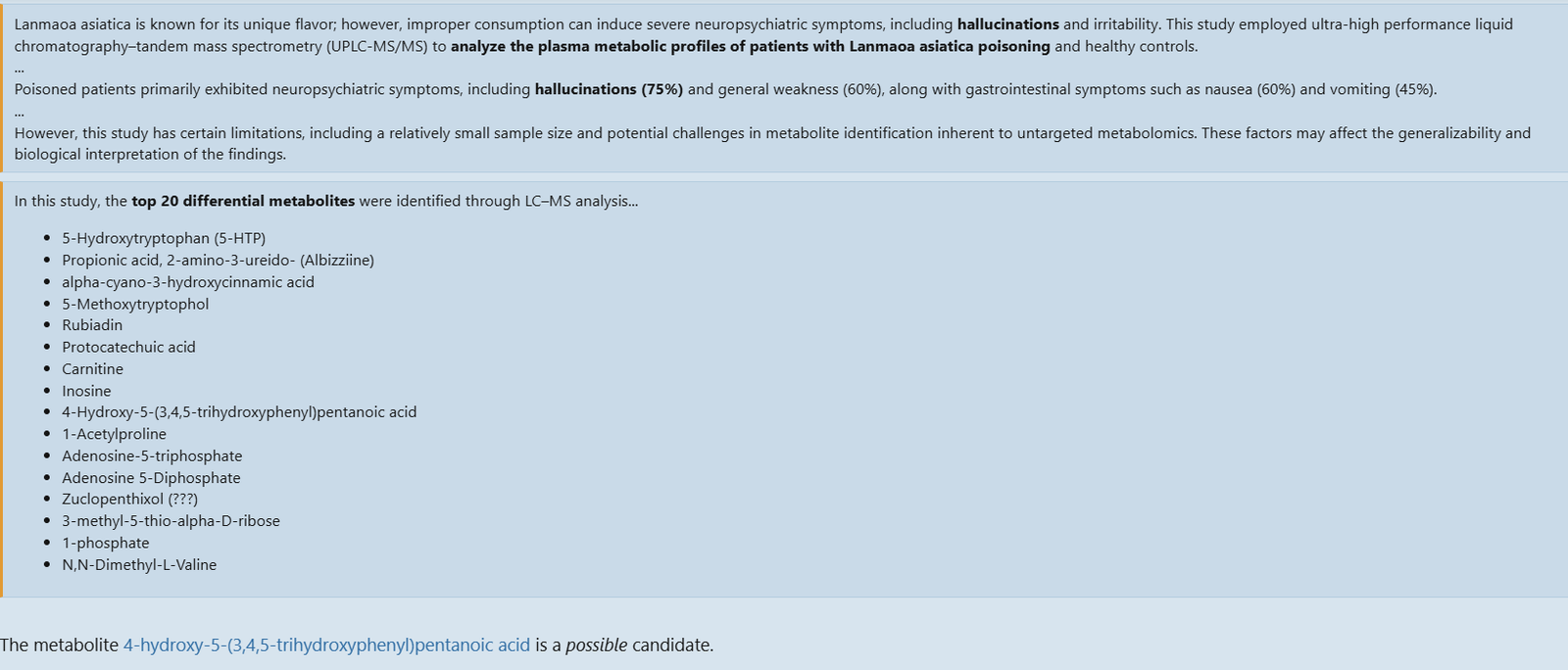
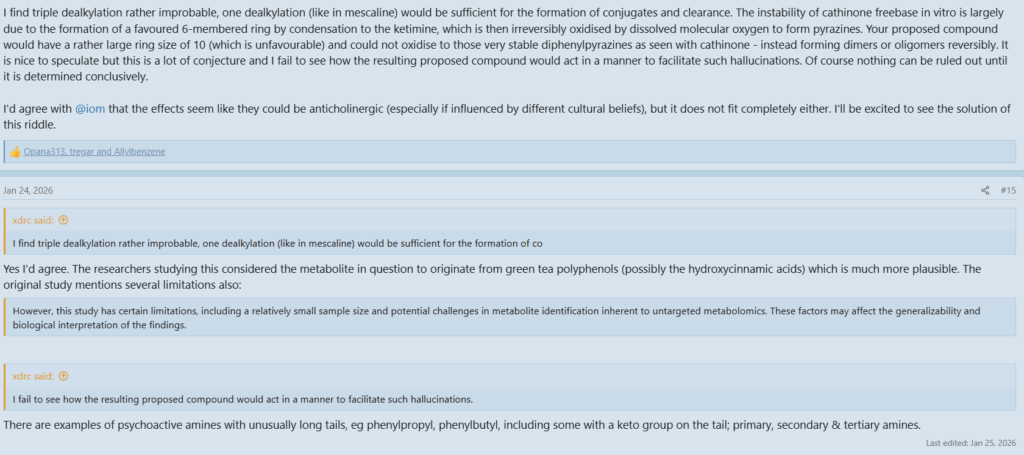
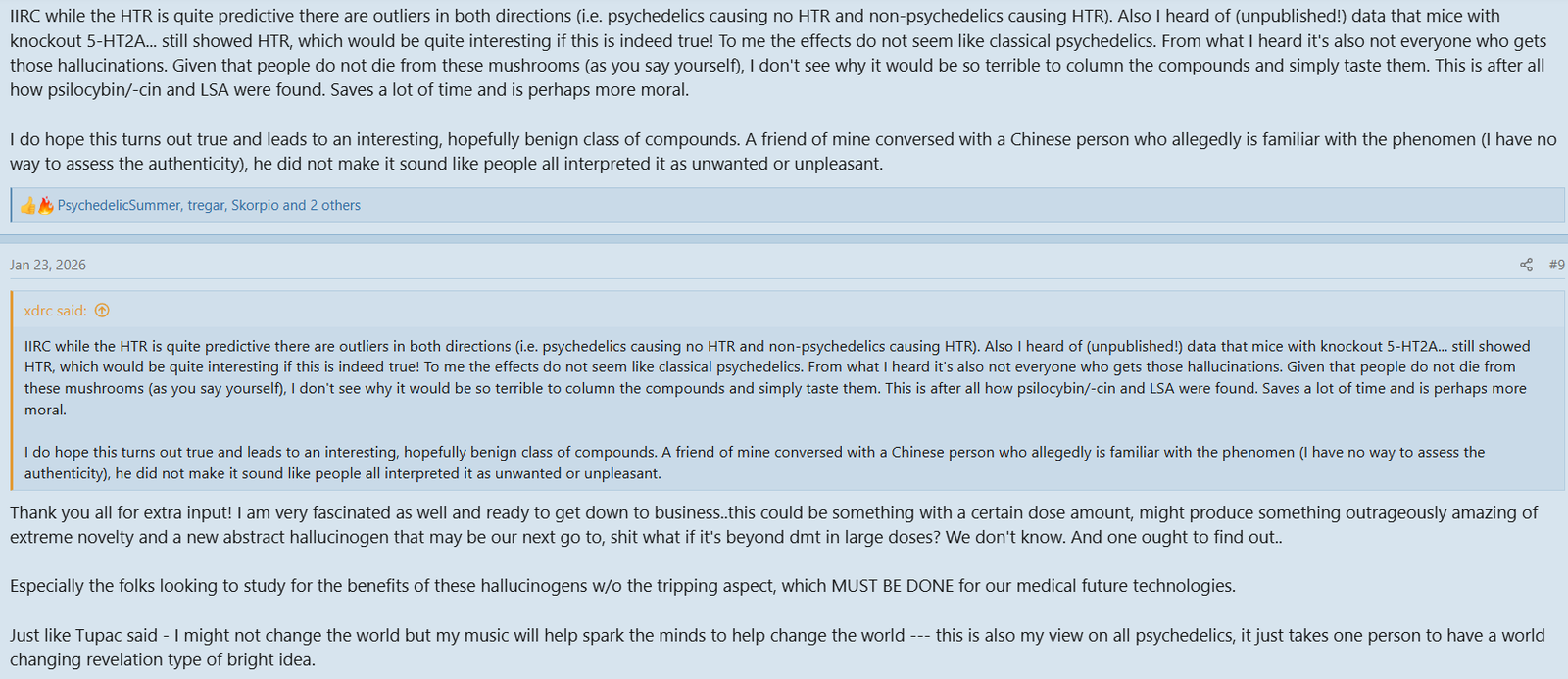
The one thing that interested us the most during these discussions circles back to the fact that such a high percentage of people in the region feel the same effects when eating the mushroom raw, or even when not prepared correctly.
As mentioned by users in the forum, we could be looking at a novel compound with novel interactions that change our perception of sight and dimension, something quite similar to AIWS (Alice in Wonderland Syndrome), known to cause micropsia (objects or people appearing smaller than usual), but what if something of an anthropological value of having such belief so ingrained in their folklore and culture for at least more than 1700 years has influenced and shaped the way they portray such visions?
To some, this could seem like a stretch, but in reality, it’s slightly more common than you might think and has happened more times than we can count, especially in isolated tribes whose culture shapes their life and way of living. One brief example would be the constant reports of Ayahuasceros and indigenous tribesmen hallucinating about becoming a serpent, or a jaguar, upon consuming Ayahuasca, which are heavily linked to their claims that the mother of Ayahuasca is a serpent(linking to the fact that the serpent is the most sacred animal for many tribes, representing strenght, healing, and wisdom), and the jaguar being a link to the belief that shamans could become jaguars or gain their spirit to protect their community, hunt down dark sorcery, or guide participants during their experiences.
It’s undeniable that such cultural effects, histories we’ve heard that stick with us, are likely to manifest during these experiences. Another prime example of how these stories affect our subconsciousness is Terence McKenna’s description of the machine elves and the reports of people describing the exact same beings years after hearing Terence’s speech. While some may argue that these beings truly exist in the DMT world, I believe we should ask ourselves whether this could be an anthropological event, which is a concept we’ve been exploring in our upcoming book Entheogenic Synergy (you can find more about it here, and you may also send in your report in the form below!)
We need your help
We are currently working on our second book, Entheogenic Synergy. To do so, we need your help. By sharing your psychedelic experience, you will be helping us immensely with our study to prove the theory that external factors before the psychedelic experience can impact the way we trip. You can share your psychedelic experience by accessing our form.