An 80-year-old woman with advanced Alzheimer’s regained speech and mobility after taking psilocybin
By Goncalo V.
The power of psilocybin-containing mushrooms is something that keeps amazing us every time the topic comes to the surface, from easing severe mental health conditions to significantly altering brain connectivity and promoting neuroplasticity (Learn more about how psilocybin acts on the brain here).
These two last points specifically surpassed our expectations in a new study made this year after a woman with Alzheimer’s disease experienced significant improvements after taking 5 grams of psilocybin-containing mushrooms (Enigma Strain). The patient was a Japanese-American woman in her 80s who lived in continuous family supervision and caregiver support, and her progressive cognitive and functional decline had evolved over approximately 10 years. She became predominantly monosyllabic, accompanied by severe reduction in spontaneous interaction, chronic urinary incontinence, exclusive dysfunction, impaired mobility, dysphagia, and marked dependence in activities of daily living.
With the consent of her legal guardians, the woman enrolled in a psilocybin trial in Brazil. After being given 5 grams of the Enigma Strain, she started sweating profusely and entered a “prolonged sleep-like state”.
After 19 hours, she “spontaneously initiated autobiographical conversations lasting several hours”, and in the following days and weeks, she regained urinary continence, walked more independently, became more alert, recognized family, and was able to dress herself.
One month later, she received a second treatment of 3 grams (unknown strain). Her speech became even better, she increased her walking agility, was very expressive, and continued to have urinary continence.
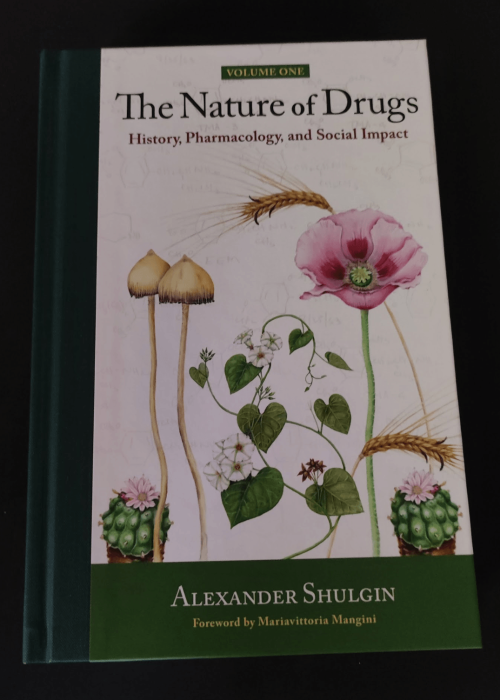
Learn more about these compounds with the legendary alexander Shulgin
Researchers put on the table the possibility that psilocybin could temporarily reactivate brain function in people with late-stage dementia. However, more research is necessary. As of now, this research doesn’t provide long-term follow-up of the patient’s condition or whether the benefits lasted longer than one month. There is a possibility that these effects could be temporary and not of Alzheimer’s reversal, as we typically disclose in all of our articles. There is a chance that psilocybin is not the tool to “reverse” a disease, but could be the right path to discover the right tool to do so.
With this article, we also want to disclose that this is not medical advice, and we do not advise anyone to feed mushrooms to their loved ones or advise giving people with dementia or Alzheimer’s these compounds without any medical supervision.
Stay safe, sending love!
About the author
Goncalo V
Goncalo V. founded Psychedelics As a Second Language (PsychedelicsASL) in 2021 with the aim of making psychedelic science available and understandable for everyone, regardless of their background and scientific knowledge. Since then, he has interviewed various guests within the psychedelic field, including artists, psychedelic entrepreneurs, chemists, psychedelic researchers, therapists, and students, all with one goal. To give you an organic and raw experience of what is going on in the psychedelic field. From experimental science to well-established research, everything can be valued in his eyes (of course, as long as it’s in the legal spectrum).