
What is 7-OH and Should It Be Schedule 1?
By Goncalo V.
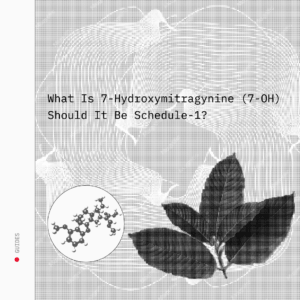
On July 1, 2026, the DEA issued notices of intent to place 7-OH and three other derivatives in Schedule I, but what is 7-OH? What is the reasoning behind placing 7-OH in Schedule 1? Is it another bad take on the future of psychoactive compounds?
As an alkaloid:
In many online resources, 7-OH is described as a synthetic opioid-like compound. While this information is truthful, we must also note that the compound is also present as an terpenoid indole alkaloid in one of the most well-known botanicals in Southern Thailand, used to boost the energy of manual laborers and to increase heat tolerance, as a gastrointestinal relief, to manage pain, and help with opium withdrawal, we are talking about the same botanical species that caused a ruckus in the United States in 2015-2017, Kratom (Mitragyna Speciosa).
- Curiosity: The human body also creates 7-OH as an active breakdown product when the liver metabolizes mitragynine (the main alkaloid in Kratom).
The effects of 7-OH:
Users report analgesic and sedative effects (with higher potency than morphine) when taking it, but also a slight feeling of euphoria. Some users also report nausea, vomiting, abdominal pain, confusion, disorientation, dizziness, sweating, elevated heart rate, and increased blood pressure.
- Pharmacodynamics: 7-OH is both an opioid receptor agonist/antagonist and a partial agonist at μ-opioid receptors and a competitive antagonist at δ- and κ-opioid receptors. But unlike traditional opioids, the compound doesn’t activate the β-arrestin pathway.
- Clinical Potential: Because of its unique pharmacology, the compound shows preclinical potential as an alternative for safer analgesics and treatments for opioid use disorder.
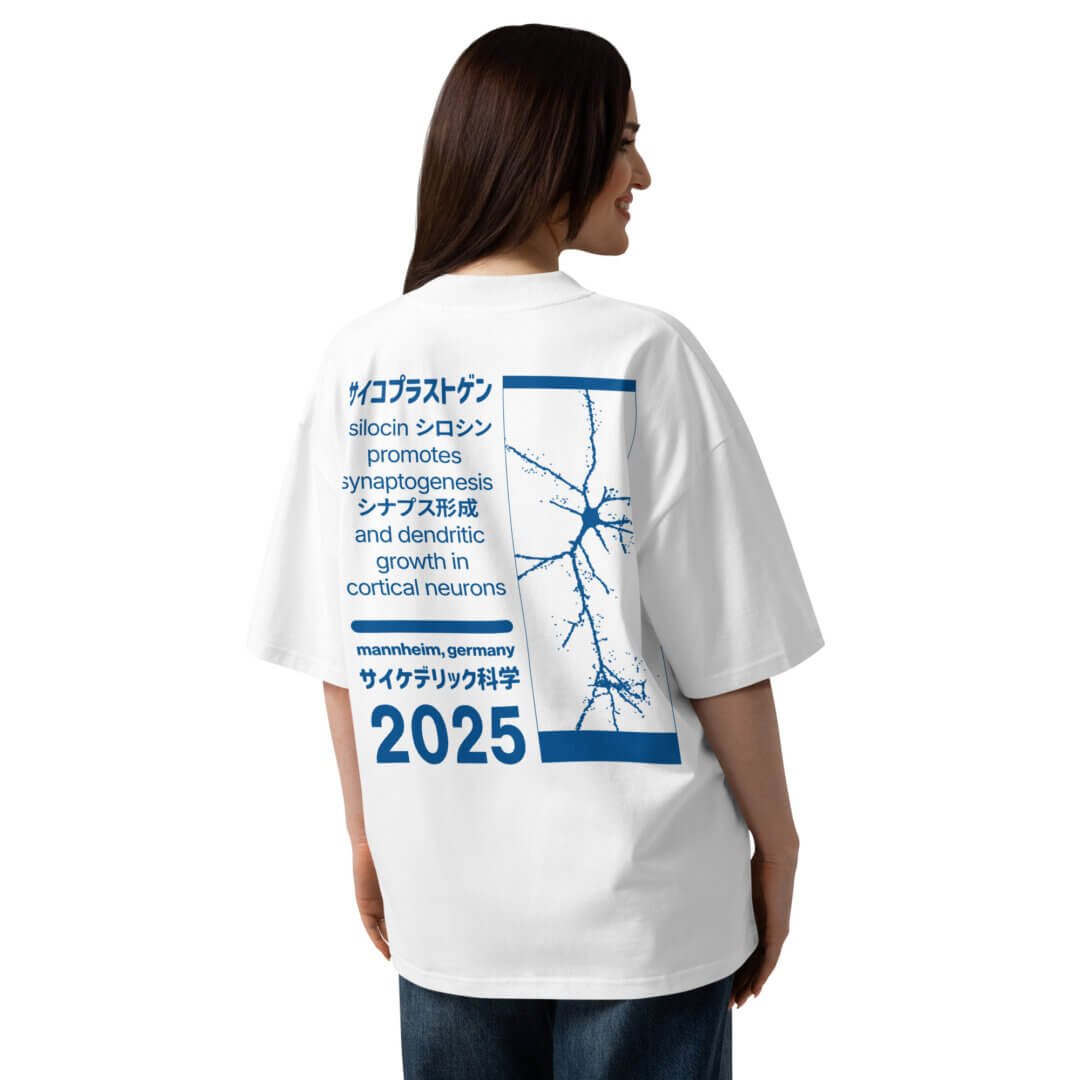
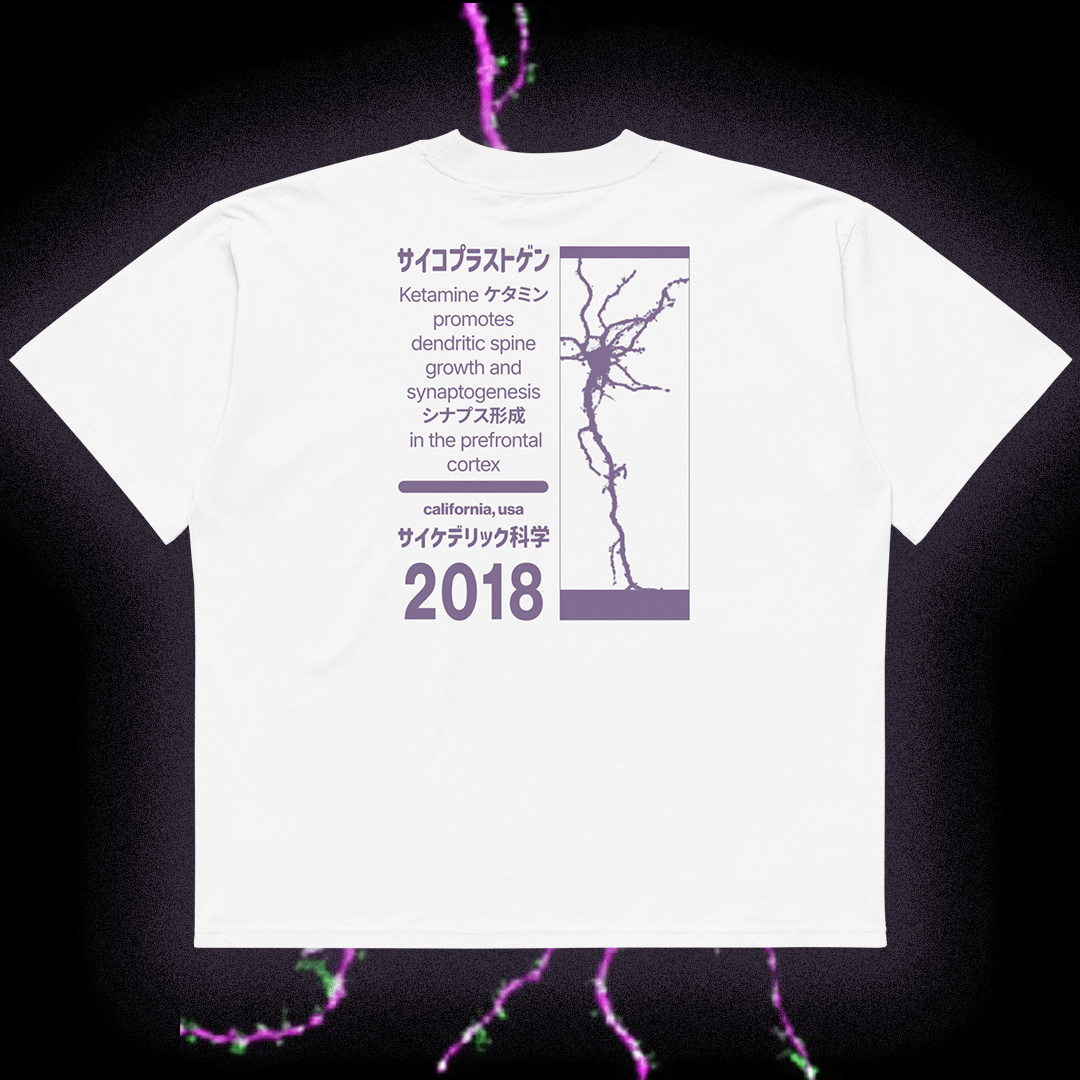
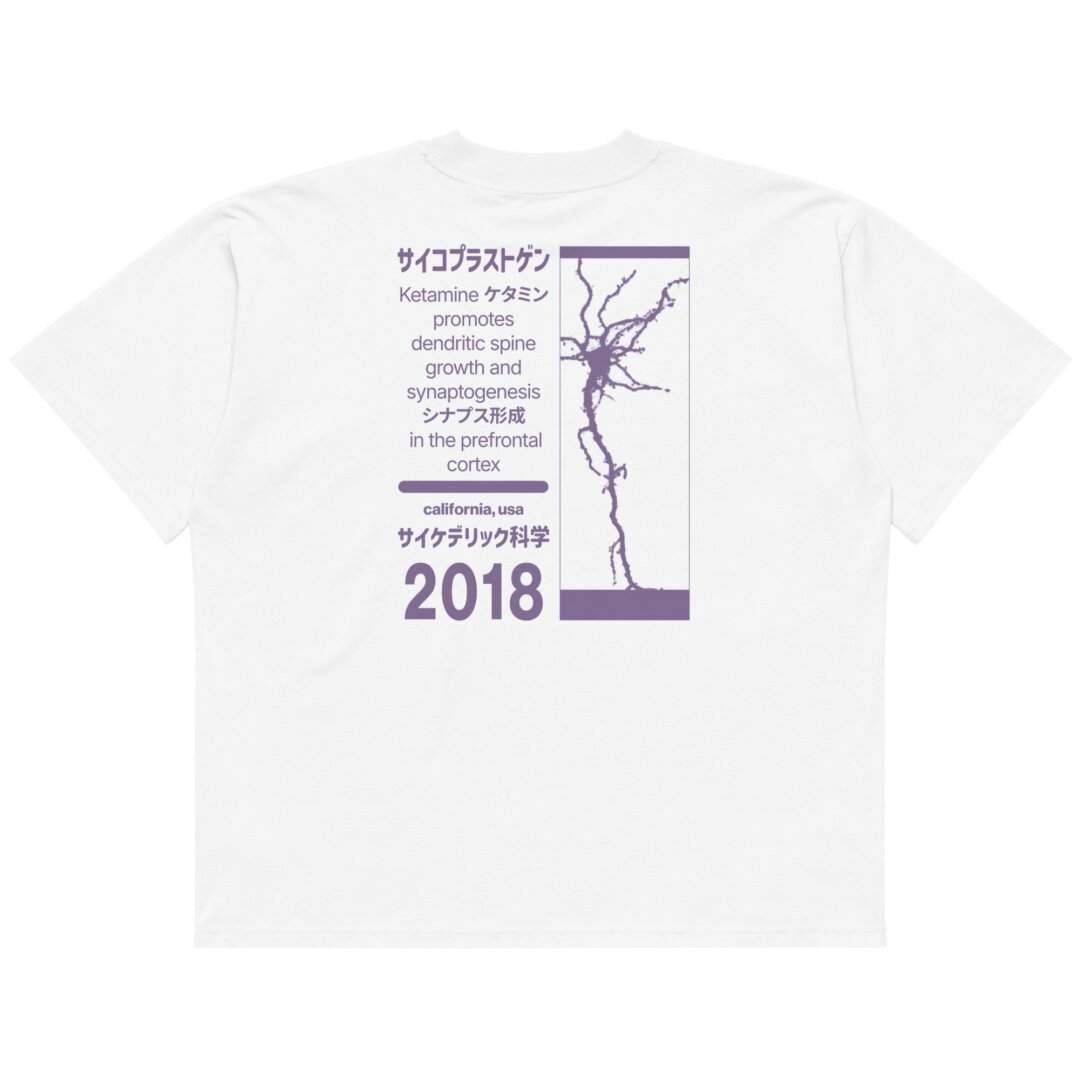
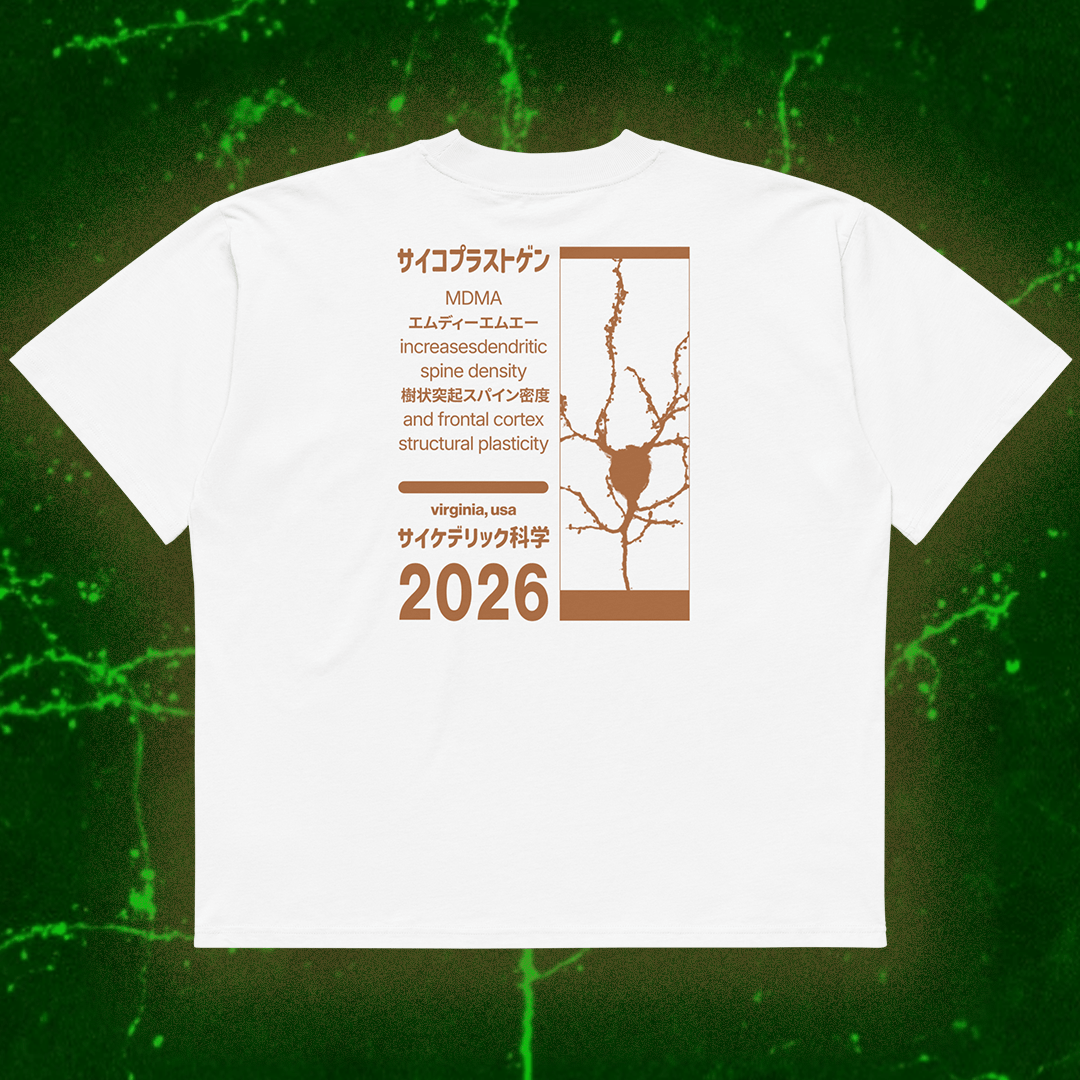
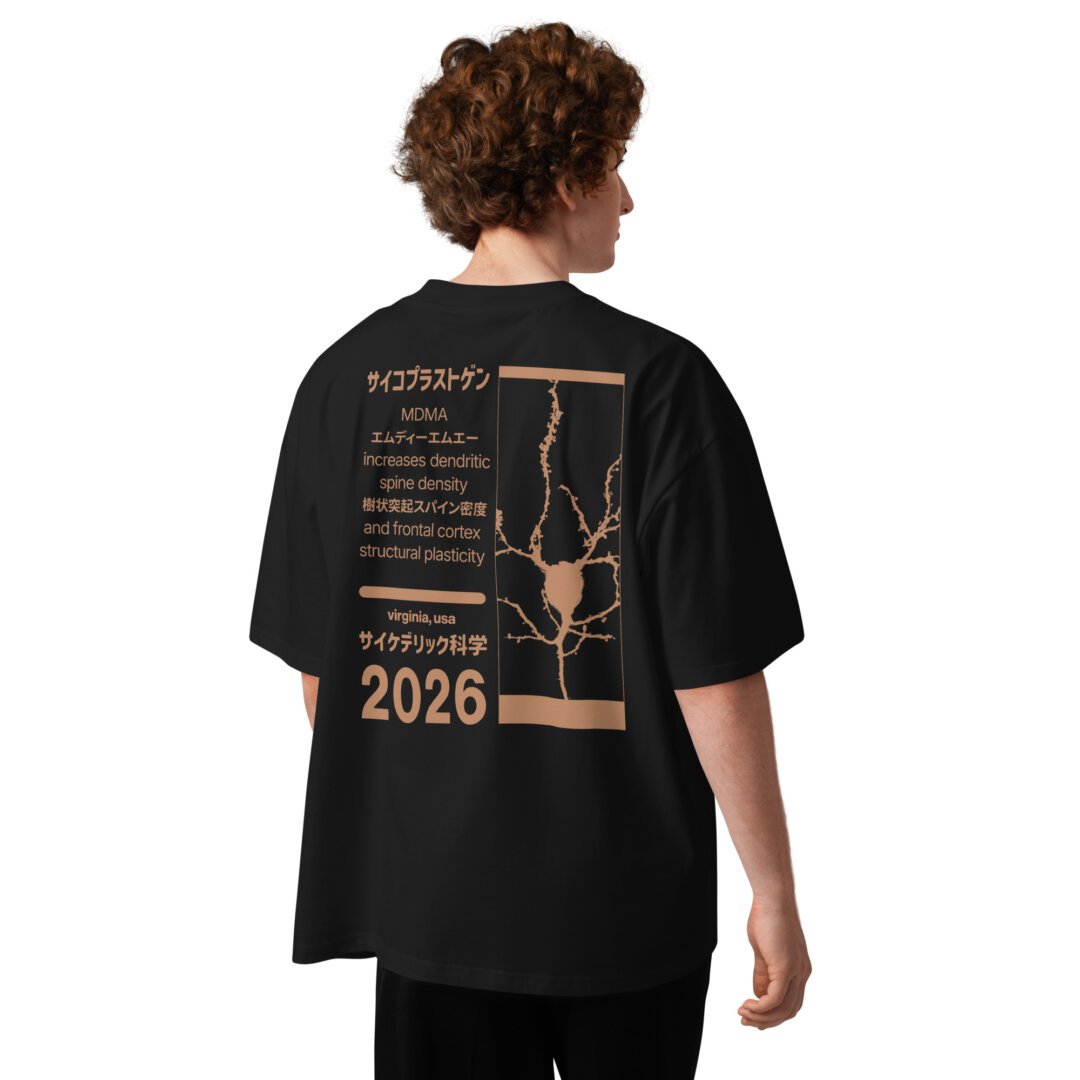
Wear Psychedelic Science:












Should it be Schedule 1?
This is where the discussion becomes complicated. On one hand, we have a compound that acts on opioid receptors and has the potential for abuse and addiction due to a rapid surge of dopamine, high tolerance, and severe physical dependence within days or weeks, being completely unscheduled and not controlled before July 2026. On the other hand, we have what the media coined as the “Opioid Crisis”. People who have become addicted to opioids for various reasons, ranging from post-operative opioid addiction to substance use disorder, and people who became addicted to opioids because of chronic pain, autoimmune diseases, etc. If we were to assess data in the United States alone, we could see that 3% to 11% reported a rate of new persistent or long-term opioid use following surgery, 3% to 12% of people treated with prescription opioids become addicted, and 21% to 29% of the patients end up misusing prescription pain relievers.
But what happens to people when prescriptions expire or stop being given?
They end up finding alternatives. Those can be botanical alternatives such as Cannabis, Kratom, etc, or synthetic versions of these compounds such as CBD, 7-OH, heroin, etc. Another alternative is to attempt to buy the prescription pills that they were taking on the black market, since, in the majority of cases, buying prescription medication without a prescription, unfortunately, once entering the illegal markets, there is no regulation or quality control, meaning they can be adulterated with all sorts of compounds such as fentanyl, the same applies with substances that suddenly entered Schedule 1, for example, what would happen with 7-OH and people who use it as an alternative for their medicines. This temporary ban is already having its effects on people, as it can be seen in the post by 7hopealliance “Stories: Banning 7-OH Will Ruin My Life”, by Crystal Lindell.
“When I got the news that 7-OH will likely be illegal in the United States within the next month, I was on a break at the new job I was able to get because of 7-OH.
I opened my texts to see a message from PNN editor Pat Anson:
“7-OH to be banned nationwide in early August according to DEA filings.”
He’s always been great at breaking news.
When I saw the words, though, I wanted to throw up. I started shaking and was overcome by a cold sweat. Then I fought back tears because I had to get back to work.
I had to get over the shock and dissociate to get through the rest of my shift at the gas station where I work. I spent the next few hours legally selling customers cigarettes, beer, and lottery tickets.
Then I went into my car and cried.
7-OH has truly been a life-changing drug for me and many people I know and love.
I have intercostal neuralgia, which is nerve damage in my ribs. When you have the same thing in your face, it’s called trigeminal neuralgia – which is colloquially called the “suicide disease” because so many people who have it kill themselves or want to.
As someone with the intercostal variety, I’m here to tell you that having that kind of pain in your ribs doesn’t make it any less horrible. I have long considered suicide as a potential treatment option.
For many years I was able to find some semblance of stability with a cocktail of opioid and OTC pain medications. I know how lucky I am to be among those who can still get an opioid prescription. But while the opioids have kept the suicidal-level pain at bay, they have never allowed me to actually live.
7-OH does that.
It’s not an exaggeration to say that it has given me my life back. It’s been even more effective than hydrocodone or morphine for me. It instantly treats my pain while also combating fatigue.
Losing access to 7-OH will be devastating for me.
I am worried I will no longer be able to work full-time, and that I will then lose the health insurance I only just got. Without work and insurance, I will be back to living below the poverty line, and relying on food pantries.
But none of that has anything to do with why I think 7-OH should remain legal.
7-OH should remain legal because – as an adult – I should have the legal right to put whatever I want into my own body, and it is no one else’s business how I do that.
That’s it. That’s the only reason needed. Anything else is irrelevant.
This is a bodily autonomy issue. I should be the only one who controls my own body, especially my own medical decisions.
Not to mention the fact that nicotine and alcohol are legal despite the fact that they are both very addictive and sometimes deadly. Why single 7-OH out? Especially considering how safe it is in comparison to those drugs. “
Have a safer trip with Miraculix
References:
Justice Department Announces Emergency Scheduling of Three Potent Opioid Compounds : https://www.justice.gov/opa/pr/justice-department-announces-emergency-scheduling-three-potent-opioid-compounds
What Is 7-OH, and Why Is It Being Targeted in Kratom Products? Written by Matthew Hastings
7-Hydroxymitragynine Is an Active Metabolite of Mitragynine and a Key Mediator of Its Analgesic Effects by Andrew C Kruegel, Rajendra Uprety, Steven G Grinnell , Cory Langreck , Elizabeth A Pekarskaya, Valerie Le Rouzic, Michael Ansonoff , Madalee M Gassaway, John E Pintar , Gavril W Pasternak , Jonathan A Javitch , Susruta Majumdar, Dalibor Sames
Stories: Banning 7-OH Will Ruin My Life written by Crystal Lindell